



































































A fasting blood glucose test monitors the body's ability to handle and regulate blood sugar levels. It is commonly used to test for and monitor the control of diabetes, because it is less variable than other tests. Fasting blood glucose levels that are abnormally high or low can indicate several different serious conditions and warrant additional testing.
Identification
The normal fasting blood glucose range is anywhere between 70 and 100 mg of glucose per deciliter of blood. Blood glucose levels below that are considered to be indicative of abnormally low blood glucose, also known as hypoglycemia. Blood glucose between 101 and 125 mg per deciliter is known as pre-diabetes, and fasting blood glucose above 126 mg per deciliter is indicative of diabetes mellitus.
Definition
Fasting blood glucose is the amount of a kind of sugar (glucose) that is in the blood when the body is in a fasting state. Blood glucose will spike after a meal or a snack, which can provide misleading results. As a result, fasting blood glucose tests should be done with the patient not having eaten for at least six hours.
Blood Glucose Test
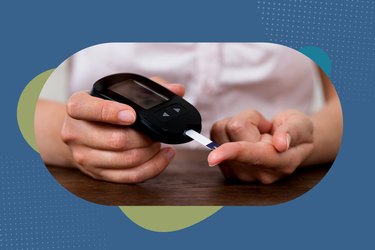
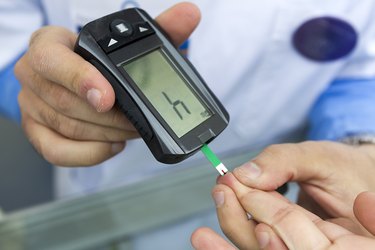
Fasting blood glucose levels can be determined using home blood glucose monitoring kits, but is most accurately done by a physician in a medical setting (such as an office or hospital visit). In this case, the physician will draw blood from a vein (typically from the back of the hand or the inside of the elbow), and will put this sample in a blood glucose measuring device, which will then display the reading.
Causes of a High Number
Fasting blood glucose in the pre-diabetic range (between 101 and 125) indicates impaired fasting glucose, which is thought to be a risk factor for diabetes. Levels above 125 (also known as hyperglycemia) can indicate a variety of conditions, including diabetes mellitus, pancreatitis (inflammation of the pancreas) or pancreatic cancer, Cushing's disease (a rare condition consisting of abnormally high levels of cortisol), acromegaly (rare), hyperthyroidism or pheochromocytoma (a rare adrenaline-producing tumor).
Causes of a Low Number
Abnormally low fasting blood glucose (below 70 mg per deciliter) indicates that the patient is hypoglycemic, which can also be a serious condition. Hypoglycemia can be caused by hypothyroidism or hypopituitarism, or an excess of insulin (either by an insulin-secreting tumor or as a result of insulin injections).


