


















































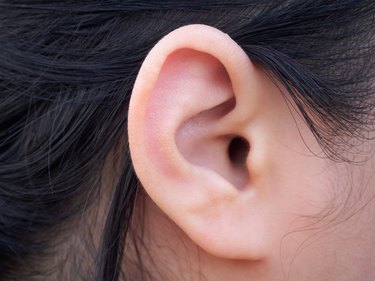









About Earwax

Earwax is a waxy substance called cerumen that accumulates and hardens in the ear. Most earwax moves out of the ear and is not a problem, but some people are prone to ear wax blockage in one or both ears that can interfere with hearing and damage parts of the inner ear. You may be able to remove earwax yourself or you may need to see a doctor.

Background

Glands in the skin along the ear canals secrete cerumen as a way of protecting, cleaning and lubricating the ear canal. Everyone produces ear wax and, in fact, if too much earwax is removed an infection can result. Usually, ear wax falls out on its own or is washed out. When excessive earwax builds up, however, there is risk of damage to the eardrum and other fragile parts of the inner ear.

Risk Factors

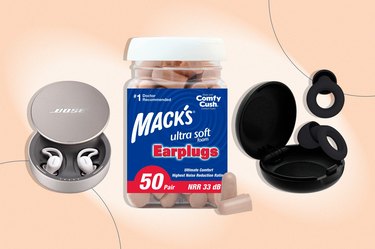
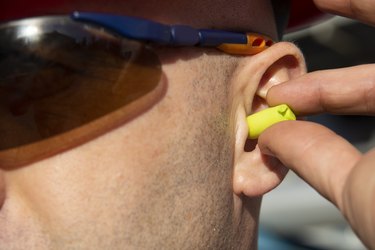
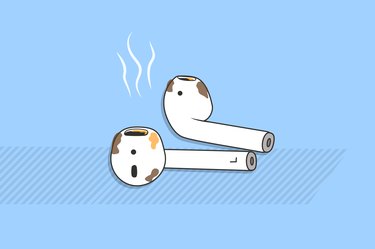
Being of European (Caucasian) or African descent means you are more prone to a "wet" or softer form of ear wax. People of Asian or Native American descent are more prone to a "dry" or brittle form of ear wax. Older people, people who wear hearing aids and those who regularly use earplugs are at higher risk of developing earwax build-up. Using cotton swabs to clean your ear can cause earwax to be pushed back into the ear canal.

Symptoms

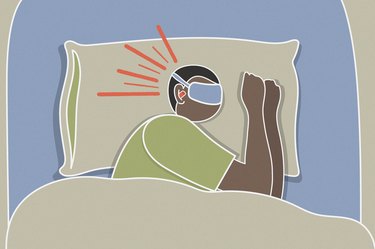
If excess ear wax accumulates, you can develop an earache or noise in your ear known as tinnitus. Your ear will feel full and your hearing will be diminished. These symptoms also can be signs of other medical conditions in the ear, so it is important to see your doctor.

Treatment

To flush out excess earwax, use an eyedropper and place a few drops of baby oil, mineral oil or olive oil into the ear. Do this for a few days and the wax will come out in the shower. Drops of hydrogen peroxide also can be used to clean out the ear.
Over-the-counter earwax softening solutions and wax removal systems, such as syringe bulbs for irrigation, are available at pharmacies and health supply stores.
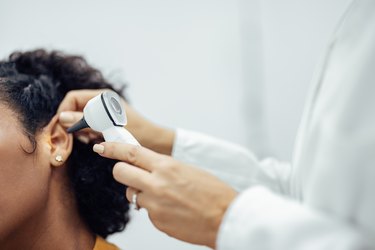
If you cannot or do not wish to remove wax yourself, you can visit an otolaryngologist, who will use an otoscope, a lighted tool that magnifies the ear canal. He will view your inner ear and locate any wax build-up. The doctor can then safely remove the wax using suction, a miniature scraping tool or water jets.

Prevention

If you have a chronic problem with ear wax, you can use oil flushes from time to time, or over-the-counter ear wax removal solutions every month or two. Or see your doctor for routine check-ups and preventive care.

Warnings

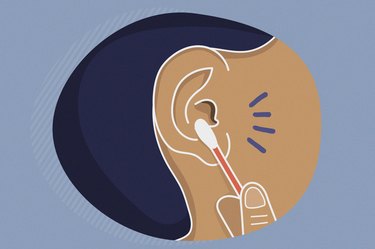
Do not try to dig earwax out of deep areas with cotton swabs, paper clips or hair pins. You may push wax into unreachable areas in the ear canal and can cause serious injury. The ear canal is short; anything you stick in your ear can easily pierce your eardrum. Flushing is not recommended if you have an ear infection or you have had ear surgery or a pierced eardrum.

References

Article reviewed by Gary Reinmuth Last updated on: Oct 27, 2009

Must see: Photo Galleries