


































































Does Flaxseed Oil Reduce Cholesterol?

Does Flaxseed Oil Reduce Cholesterol?
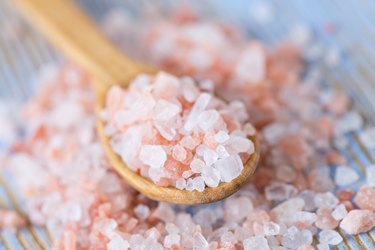
Photo Credit flax seeds close-up image by Konstantin Sutyagin from Fotolia.com

Flax is a native European plant whose seeds provide flaxseed oil, or linseed oil, as it's also called. The flax plant is now cultivated and grows wild all over the United States and Europe. Before you start to take flaxseed oil to treat your cholesterol, you should talk about it with your health care provider.

Cholesterol Explained

The website for the National Heart, Lung & Blood Institute offers a clear explanation for cholesterol. Cholesterol is a waxy material found in all of the cells of the body. Some is necessary for proper functioning and to properly digest foods. There are two basic types of cholesterol; low-density lipoprotein (LDL) cholesterol, which is often called "bad" cholesterol, and the "good" type, high-density lipoprotein (HDL) cholesterol. The LDL is the kind that builds up on the lining of the artery walls, potentially causing blockages. The HDL takes cholesterol back to the liver so it can remove it from your body. Keeping the HDL levels high and the LDL levels low is the healthiest for your heart.

Flaxseed Oil Uses

Flaxseed oil is suspected of lowering overall cholesterol levels, especially the LDL levels in the blood, according to the University of Maryland Medical Center or UMMC. It's also commonly used to prevent heart disease & cancer as well as to treat migraine headaches, ulcers, emphysema, Lyme disease, lupus, psoriasis and glaucoma. Flaxseed oil is thought to reduce the symptoms of menopause too. The U.S. National Library of Medicine adds that flaxseed oil or ground flaxseeds are useful for treating diabetes, high blood pressure and constipation.

Research

There are several research studies published on the PubMed.gov website that investigated the effects of flaxseed and flaxseed oil on the body's cholesterol levels. The first was a study conducted by A. Patade at Oklahoma State University Department of Nutritional Sciences in 2008 and published in "Journal of Women's Health." This study showed that eating flaxseed seemed to reduce the overall cholesterol levels of the test subjects as well as counteract the symptoms of atherosclerosis, or hardening of the arteries.

The second study was conducted by C.M. Bassett at University of Manitoba, Winnipeg in 2009 and published in "Applied Physiology, Nutrition & Metabolism." This study involved a group of Native American women who had already gone through menopause. Here again, the results showed lower overall and LDL cholesterol levels.

And the third was conducted by W. Zhang at Peking Union Medical College in Beijing, China and published in "The British Journal of Nutrition. This study took place over an eight-week period in which the test subjects were shown to have lower cholesterol and blood sugar levels from eating the flaxseed. All of these would contribute to a lower risk of heart disease, according to the study reports. The NCCAM is currently funding studies of flaxseed oil's effects in preventing or treating atherosclerosis, ovarian cysts and breast cancer.

Possible Side Effects

People with diabetes or schizophrenia are unable to use the omega-3 fatty acids in the form contained in flaxseeds. The UMMC advises them to get their omega-3 fatty acids from other sources, such as from cold water fish instead. Some people have been known to be allergic to flaxseed oil, according to the USNLM. One study showed the potential for flaxseeds (not the oil) to cause hypomania or mania in people with bipolar disorder. Because of the laxative effects of flaxseed and flaxseed oil, people with diarrhea, ulcerative colitis, Crohn's disease or diverticulitis should avoid taking them. The USNLM also warns pregnant or breast-feeding women to avoid taking flaxseed oil due a lack of safety information.

Potential Interactions

People who take blood thinners, diabetic medications, hormone replacement therapy or oral contraceptives should avoid also taking flaxseeds or flaxseed oil says the UMMC. Taking flaxseeds may interfere with the body's ability to absorb certain medications so you are advised to take them at a separate time from the flaxseeds, according to the USNLM. People taking lithium, blood pressure medications, laxatives, cholesterol-lowering drugs, certain cancer drugs or acid reflux medications should not take flaxseeds or flaxseed oil says the USNLM. If you have questions about how flaxseed oil or seeds could interact with your other supplements or medications, discuss it with your pharmacist or health care provider.

Forms Used

Flaxseeds and flaxseed oil can be found in most supermarkets. The UMMC recommends that you use the flaxseeds right away after grinding them and to keep them refrigerated until use. Both flaxseeds and flaxseed oil can spoil in just a few weeks, so don't keep it after that time. You should also not heat flaxseed oil because that will cause it to lose its beneficial properties. Both flaxseeds and flaxseed oil should be kept in air-tight, dark containers to keep them from the light until use, since light breaks down the useful components.

References

Article reviewed by AKanjuka Last updated on: Sep 2, 2010

Must see: Photo Galleries

Member Comments