





































































Colonic Polyps Symptoms

Colonic Polyps Symptoms
Photo Credit tuilet-paper image by Nataliya Kuznetsova from Fotolia.com

Colonic polyps are small growths of non-cancerous tissue that develop along the internal wall of the colon. This common condition affects approximately 30 to 50 percent of adults, according to UpToDate. The severity of colonic polyp symptoms typically depends upon the size of the polyps; small polyps are unlikely to cause noticeable symptoms, while large polyps may need to be removed by a surgeon to resolve symptoms. People who develop colonic polyp symptoms should seek additional evaluation and care from a medical professional.

Bowel Movement Changes

Colonic polyps can interfere with the way ingested food products pass through the colon, which can cause bowel movement changes in certain people, MayoClinic.com reports. Intestinal irritation or inflammation caused by these growths can lead to symptoms of urgent, loose bowel movements or diarrhea. Larger colonic growths can lead to the infrequent excretion of hard, small stools, a symptom called constipation. These bowel movement changes typically persist for longer than a week and may also cause people to experience abdominal cramping, discomfort or pain.

Anal Bleeding

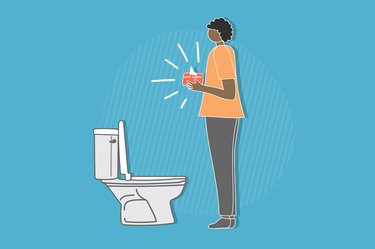
The anus is the region at the end of the intestinal tract through which stools pass out of the body. People with colonic polyps can develop anal bleeding as a symptom of this condition, the National Digestive Diseases Information Clearinghouse explains. Affected people can notice the appearance of bright red blood on the toilet paper used to wipe the rectum after having a bowel movement. Small amounts of blood may also be apparent on a person's undergarments. Anal bleeding is a serious symptom and affected people require prompt medical care.

Narrow, Bloody Stools

People with colonic polyps can produce unusually narrow stools that contain blood as a symptom of this condition, NDDIC warns. The stools can appear abnormally dark or red in color due to the presence of blood. People who develop these symptoms should consult a doctor as soon as possible, as narrow, bloody stools can also be a sign of colon cancer.

References

Article reviewed by Libby Swope Wiersema Last updated on: Sep 2, 2010

Must see: Photo Galleries