


































































The most common type of diabetes is type 2. But some 90 to 95 percent of children under 16 with diabetes have type 1, formerly called juvenile diabetes. Type 1 diabetes is caused by the pancreas not being able to make insulin, which occurs when the immune system attacks the insulin-producing beta cells. Often Type 1 diabetes requires insulin treatment, and before starting a specific meal plan, it’s best to consult with your child’s doctor for recommendations. However, making smart food choices makes everyone healthier, including diabetics.
Carbohydrates
Carbohydrates are foods that provide energy to the body, and along with protein and fats, are required by every body. Most carbs are broken down into glucose, which is naturally processed by insulin in a healthy body, but not in a diabetic. The amount of carbs consumed can affect our blood sugar level, so you may need to track how much your diabetic child eats.
Sugars
Old-school thought was that diabetics should avoid sugar, but that doesn't apply anymore. Sweets in moderation are OK, but only after your child figures out how his body responds to various foods and taking insulin.
But sugars aren’t limited to refined sweets. Common types of sugars in food include fructose, which is found in fruit and some pastries and other baked goods; glucose, which is in soft drinks, cakes and cookies; and lactose, or milk sugar, which is in milk and yogurt.
Starches
Starches include grains, such as rice, cereals, breads and vegetables—like corn, peas and potatoes. High-fiber whole grains and natural foods are the healthiest starch to consume. Go for whole grain bread and cereal rather than processed white flour or sugar-coated cereals, and baked potatoes rather than French fries.
Fats and Proteins
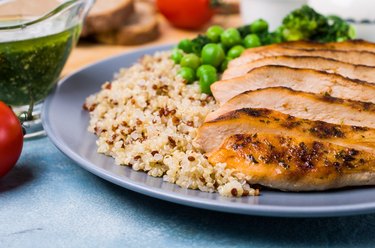
Processed foods contain a lot of additives, which are often carbohydrate based, and that can spike the amount of carbs that you think your child is eating. Rather than feeding her processed meats and dairy products, stick with natural meats, such as chicken breasts, grilled fish and lean beef, as well as eggs, nuts, beans and legumes. Instead of presweetened yogurt, choose plain yogurt and add your own fruit.
Constant Carbohydrate Meal Plan
With the Constant Carbohydrate meal plan, your child consumes a certain amount of carbohydrates every time she eats and takes insulin at the same times each day. Food labels should be consulted to make sure the same number grams of carbs are eaten for each meal and snack.
Carbohydrate Counting Meal Plan
If your child takes insulin with each meal, the Carbohydrate Counting meal plan could work. In this model, you count your child’s carbs and match his insulin doses with the amount he eats. Again, food labels need to be consulted so you know how many carbohydrates your child has consumed and can, therefore, adjust his insulin dose accordingly.
Exchange Meal Plan
The Exchange Meal plan is a more overall approach; rather than just focusing on carbs, you’ll look at your child’s intake of proteins and fats, too. Food is divided into six groups: starch, fruit, vegetable, milk, fat and meat.
Foods in each group are assigned a serving size, and each serving within one food group has approximately the same amount of calories, proteins, carbs and fats. If your child’s meal requires a fruit serving, for example, he could choose an apple or an orange. Each meal contains servings from several or all of the food groups and is based on the number of calories your child should eat daily.
Once he knows what constitutes a serving ,and which types of servings he should eat at each meal, food choices can be mixed and matched.
Combined with Activity
Being active is important for all children, but especially those with diabetes, to avoid further health complications. Bread, juice or other carbohydrates should be given to your child before she plays sports or exercises, since physical activity lowers the body’s blood sugar level. It may also be necessary to reduce the amount of insulin he takes and carry sugar at all times in case his blood sugar level drops too low.


