











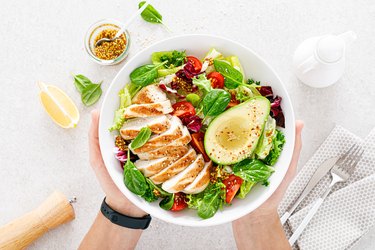












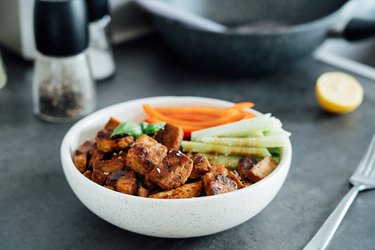




































Vitamins and minerals are essential for your good health. Different foods contain different vitamins, so the best thing you can do to ensure that you get enough vitamins and minerals is to eat a wide assortment of foods daily, including fruits, vegetables, grains, dairy products and meats or other protein-rich food.
Why You Need Vitamins
Your body does not automatically manufacture the vitamins and minerals it needs to run properly--it depends on you to eat a healthful diet to provide them. Your body needs vitamins to fight off disease and other medical problems. Too little of a vitamin or mineral can lead to a deficiency. For example, a person who is deficient in vitamin D can develop a condition called rickets.
How To Get Enough Vitamins
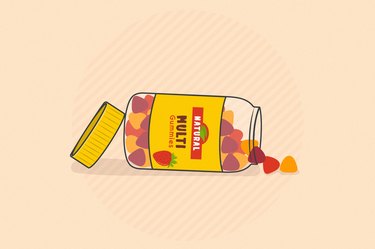
Most children can get all the vitamins and minerals they need from the foods they eat. However, your parents may give you a daily vitamin pill as an extra safeguard to be sure you have all the vitamins and minerals you need to grow and stay healthy. Many breakfast cereals are also fortified with vitamins.
Fat-Soluble Vitamins
Vitamins A, D, E and K are fat-soluble, meaning they are stored in your body's fat tissues and liver until your body needs them. Vitamin A, found in orange fruits and vegetables and dark green leafy vegetables, is necessary for healthy eyes and skin. Vitamin D, found in foods such as fortified milk and eggs, is essential for strong bones. Vitamin E, which you get by eating whole grains, eggs, nuts, seeds, vegetable oils and leafy green vegetables, is important for protecting your body's cells and tissues. Vitamin K contributes to bone and tissue health, and helps your blood to clot when you get a cut; it is found in dairy products, broccoli and leafy green vegetables, according to the MedlinePlus website.
Water-Soluble Vitamins
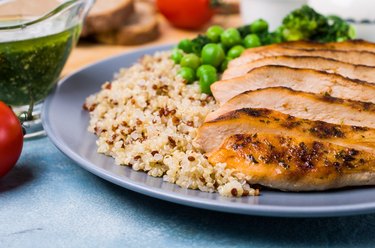
Vitamin C and the B vitamins are water-soluble. They rapidly travel through the bloodstream and are then excreted in your urine, so they must be replaced frequently, according to the website KidsHealth. Vitamin C is essential for fighting infection, and is also an antioxidant, a substance that protects your body's cells. Vitamin C is found in many different fruits and vegetables. The B vitamin group--B1, or thiamine; B2, or riboflavin; B3, or niacin; B5, or pantothenic acid; B6; B7, or biotin; B12 and folic acid--are found in proteins like fish, chicken, meat, eggs and dairy products. The B vitamins assist in making and releasing energy, and they help carry oxygen throughout your system.
Minerals
Like vitamins, minerals are naturally found in the foods you eat. According to the website Kids' Health, the three most important minerals for children's bodies are zinc, which helps you grow; iron, needed for energy; and calcium, required for strong teeth and bones. Zinc is found in meat, milk, poultry and nuts; iron in red meat and fortified cereals; and calcium in dairy foods like milk, cheese and yogurt. Other minerals are also important in small amounts.


Member Comments