



































































For people living with diabetes mellitus, loss of blood sugar control can sometimes deteriorate into a life-threatening medical crisis. A profoundly low or high blood sugar can trigger a diabetic emergency with potentially life-threatening metabolic and chemical abnormalities. To help avoid a medical crisis when the blood sugar drops too low or rises too high, health care professionals urge patients to keep emergency diabetic supplies available.
Why Keep Emergency Diabetic Supplies?
People with diabetes, especially type 1 disease, are vulnerable to dramatic shifts in blood sugar levels. A missed meal or getting more exercise than usual may trigger an episode of hypoglycemia, or low blood sugar, notes the Joslin Diabetes Center. An illness or skipping diabetes medication doses may lead to extremely high blood sugar levels and potentially life-threatening diabetic ketoacidosis or hyperglycemic hyperosmolar syndrome. Keeping an emergency diabetic supply kit enables the patient or someone with the patient to respond to blood sugar level extremes rapidly, potentially averting a serious medical crisis.
Contents of an Emergency Diabetic Supply Kit
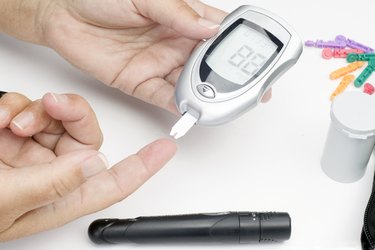
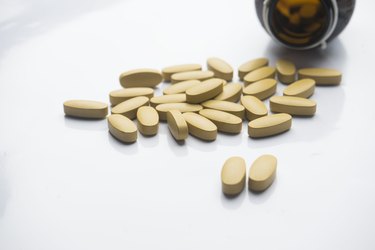
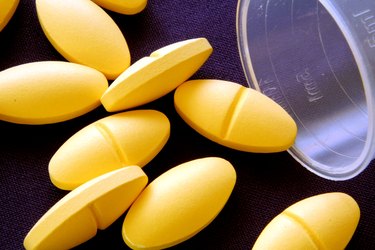
A patient's diabetes care team provides advice about specific items to include in an emergency diabetic supply kit. Typically, patients include glucose tablets, hard candies, raisins or another food to supply readily absorbed sugar in the event of a hypoglycemic episode. Many patients keep an extra glucose testing meter to monitor their blood sugar levels. An emergency kit also commonly includes extra diabetes medication and the necessary administration supplies. Patients with type 1 diabetes often carry an emergency glucagon injection. This fast-acting hormone helps raise the blood sugar level in the event of a hypoglycemic crisis, reports the University of Michigan Health System.
Who Needs an Emergency Diabetic Supply Kit?
Diabetics taking insulin or certain types of oral diabetes medication are susceptible to hypoglycemic episodes. A patient's health care provider will discuss this possibility with the patient when prescribing diabetes medication. Diabetics at risk for hypoglycemia should have access to an emergency source of glucose should the blood sugar level drop too low. Additionally, the American Diabetes Association encourages all people living with diabetes to have an emergency plan, including a diabetic supply kit, in case of a natural disaster or other catastrophic event.
When to Use Emergency Diabetic Supplies
Knowing when to use emergency diabetic supplies is an important part of diabetes self-management. Recognizing the signs and symptoms of a low or high blood sugar is the first step in managing a diabetic emergency. Signs and symptoms of hypoglycemia include headache, hunger, irritability, confusion, muscle weakness or shakiness, dizziness and sweating, states the National Institute of Diabetes and Digestive and Kidney Diseases. Symptoms of diabetic ketoacidosis--a metabolic complication of a high blood sugar level--include excessive thirst, nausea, vomiting, dry mouth, rapid breathing, abdominal pain and a decreased level of consciousness.
Significance
The National Institute of Diabetes and Digestive and Kidney Diseases estimates that nearly 18 million men, women and children in the United States have been diagnosed with diabetes mellitus, including approximately 895,000 to 1.8 million with type 1 disease. Having diabetic emergency supplies available can potentially help patients reduce their risk of a potentially life-threatening crisis related to extreme blood sugar levels.
References
- Joslin Diabetes Center: Is Low Blood Glucose (Hypoglycemia) Dangerous?
- University of Michigan Health System: Glucagon Injections for Severe Hypoglycemia
- American Diabetes Association: Tips for Emergency Preparedness
- National Institute of Diabetes and Digestive and Kidney Diseases: Hypoglycemia
- MedlinePlus: Diabetic Ketoacidosis


