

















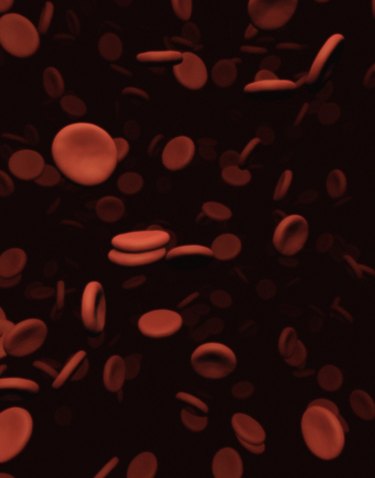






















































About White Blood Cells

White blood cells, also called leukocytes, are a part of the body's immune system. Produced in the bone marrow, these cells attack foreign invaders that cause infection and disease. However, it is possible that some medical conditions and medications can disrupt leukocyte production. This causes white blood cell deficiencies or an excess number of white blood cells to accumulate in the blood.

Types

White blood cells can be classified as lymphocytes, eosinophils, monocytes, basophils and neutrophils. Lymphocytes recognize infectious organisms and attack them to prevent infections. Once lymphocytes form, they can become B cells or T cells. B cells produce antibodies, while T cells search out and destroy infectious organisms. According to the American Partnership for Eosinophilic Disorders, eosinophils make up only 1 to 3 percent of the circulating white blood cells in the human body. They engulf and kill microorganisms such as bacteria and parasites. Monocytes engulf infectious organisms so that infection can be prevented. Basophils accumulate at sites of infection or inflammation. They contain serotonin, histamine and other mediators that contribute to allergic reactions. Dr. Ken Miyasaki from UCLA School of Dentistry indicates that neutrophils are the most plentiful white blood cells in the body. These cells travel to sites of inflammation or infection and kill microbes.

Production

White blood cells are produced in the bone marrow, which is a soft fatty tissue contained within the cavities of bones. All blood cells originate from stem cells, which are unspecialized cells. When a stem cell divides, it produces an immature white blood cell. This immature white blood cell continues to divide and mature, producing mature white blood cells. The Merck Manual Home Edition indicates that these white blood cells only last from a few hours to a few days. As a result, they must be replaced constantly. The presence of infection also causes increased production of white blood cells.

Testing

White blood cell levels can be tested using two different tests. The white blood cell count (WBC count) is used to check the number of white blood cells only. The complete blood count (CBC) with differential can check the levels of white blood cells, red blood cells and platelets. It also determines how many of each type of white blood cell are present in the blood. For both tests, a blood sample is drawn from a vein in the arm. The sample is analyzed by laboratory professionals who determine how many white blood cells are present in the sample. If there are abnormally high or low levels of white blood cells present, further testing may be required to determine the cause of these abnormal levels.

Low WBC Count

Leukopenia is the medical term for a low white blood cell count. This condition can be caused by medications, autoimmune diseases, bone marrow failure, liver or spleen diseases and kidney dialysis. Drugs known to cause low white blood cell counts include antibiotics, seizure medications, antithyroid medications, chemotherapy drugs, diuretics, antihistamines and barbiturates. When the white blood cell count is low, the body is unable to adequately fight infection. Signs and symptoms of leukopenia can include weakness, shortness of breath, fatigue, increased heart rate, dizziness and light-headedness.

High WBC Count

The medical term for high levels of white blood cells in the body is leukocytosis. This condition can be caused by medications such as allopurinol, chloroform, aspirin, epinephrine, corticosteroids, quinine, heparin and triamterene. It can also be caused by infection, bone marrow diseases, tissue damage, inflammation, stress and immune system disorders that increase white blood cell production. This condition may not cause any signs or symptoms, but it can cause fever, easy bleeding and bruising, weakness, fatigue, malaise, dizziness, faintness, difficulty breathing, unintended weight loss, trouble thinking and pain or tingling in the abdomen, legs or arms.

References

Article reviewed by Amy Raymond Last updated on: Sep 14, 2009

Must see: Photo Galleries