











































Probiotics are defined as "live microorganisms administered in adequate amounts which confer a beneficial health effect on the host," according to the International Scientific Association for Probiotics and Prebiotics. You may not need to take probiotic supplements. However, the Harvard Medical School states that a growing body of research suggests that probiotics may help prevent certain illnesses.
Priobiotics in a Nutshell
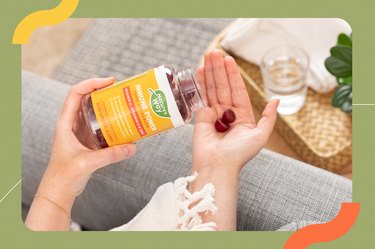
Probiotics are live microorganisms similar to the helpful microorganisms that reside in your gut, says the National Center for Complementary and Alternative Medicine, or NCCAM. Most of the time, probiotic supplements are composed of these "good bacteria," although some are composed of yeast.
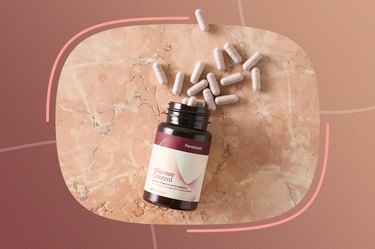
Probiotic Supplements
Most probiotic supplements contain bacteria or yeast that are identified on the product's label as a specific genus, species and strain. NCCAM indicates that probiotic supplements fall under two groups, Lactobacillus or Bifidobacterium, and within those groups various species, such as Lactobacillus acidophilus, and finally various strains or varieties. Choosing the right probiotic supplement can be difficult; the International Scientific Association for Probiotics and Prebiotics points out that the microbes in each human body are unique, so your response will differ from one to the other.
What They Do
According to the Harvard Medical School, the best argument for using probiotics is to treat infectious diarrhea. NCCAM indicates that the efficacy of probiotics is being researched for treatment of irritable bowel syndrome, inflammatory bowel disease, vaginal infections, skin infections, tooth decay and gum disease and stomach and respiratory infections in children. However, other people take probiotics to reduce symptoms of lactose intolerance or decrease gas, diarrhea and gastrointestinal upset associated with antibiotic use.
Other Probiotics
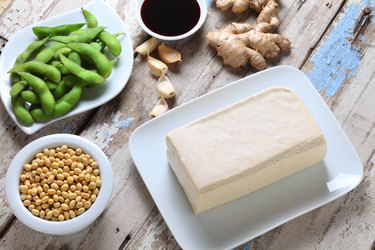
Most people in the United States choose to take probiotic supplements, says the Harvard Medical School; however, in other parts of the world, most notably Northern Europe and Japan, people consume them in fermented foods and beverages. Sources of natural probiotics include yogurt, miso, tempeh, soy beverages and fermented and unfermented milk, says NCCAM.
Probiotic Cautions
The U.S. Food and Drug Administration classifies probiotic supplements as dietary supplements, not drugs. The efficacy and safety of probiotics has not been studied extensively, and there's little data on how safe they are for children, the elderly and people with weakened immune systems, says NCCAM. If you're interested in taking probiotic supplements to address a specific health concern, talk to your physician.


Member Comments