

























































Eating high-fiber foods such as whole grains, legumes and fresh fruits and vegetables is an essential part of following a healthy diet. That's because a fiber-rich diet can help prevent heart disease, diabetes, intestinal disorders and certain types of cancer. But even though a high fiber diet is recommended for most people, there can be side effects. One of the more disturbing effects is a surplus of intestinal gas. Fortunately, there are simple ways to alleviate the problem.
Symptoms
The symptoms of gas problems associated with a high fiber diet are typical of those that suggest indigestion and include abdominal bloating, stomach pain and flatulence, or the passing of excess gas through the rectum. Because the symptoms of gas and indigestion can mimic those of more serious problems, call the doctor if you have pain that is particularly severe or long lasting.
Causes
Most plant foods contain a mixture of different types of fibers. Insoluble fiber, the type that adds bulk to the stool and helps move waste out of the body, and soluble fiber, the type that forms a gel in your intestinal tract, slows down the digestive process and helps lower cholesterol, can both cause excess gas in the intestine. This excess gas results in abdominal bloating and flatulence.
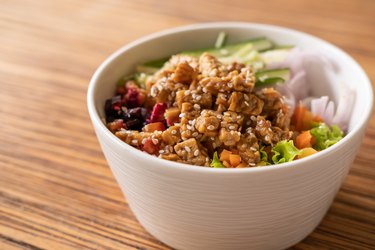
Some examples of foods high in insoluble fiber include whole-grain breads, cereals and baked goods; vegetables such as carrots, broccoli, cucumbers and tomatoes; and seeds such as flax seed. Foods that are rich in soluble fiber include legumes such as black beans, kidney beans, white beans, soybeans, lentils and split peas; fruits such as apples, pears, strawberries and blueberries' nuts and seeds; oatmeal and oat bran.
Disorders
If you have any type of chronic condition that affects your digestive tract, such as colitis, irritable bowel syndrome or diverticulosis, you are at higher risk of developing gas problems from eating a fiber-rich diet. Talk to your doctor to find out if you need to modify your diet or figure out another course of treatment to reduce gas and gas pains.
Treatment
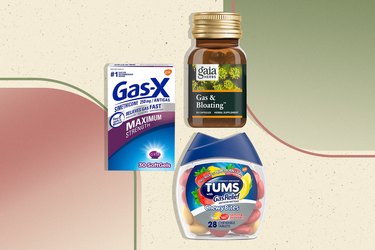
There are many digestive aids you can use to prevent gas problems without having to eliminate healthful foods from your diet. An enzyme in the product Beano helps by breaking down gas-causing sugars in high-fiber foods before you eat them. Over-the-counter products found in most drugstores that contain simethicone (brand names Gas-X, Mylanta Gas) ease gas symptoms by breaking up gas bubbles in the digestive tract. Charcoal products (brand names Charco Caps, Charcoal Plus), taken just before or after meals, can help by absorbing gas in the colon.
Prevention
When you need to increase the amount of fiber in your diet, do so gradually over a period of weeks or even months. Side effects like gas and abdominal bloating usually occur when too much fiber is added to the diet at once. Eat smaller meals, eat slowly and chew your food carefully to help ease digestion. Fiber absorbs a lot of water from the intestine, so be sure to drink plenty of fluids when you follow a high-fiber diet or you can become constipated. Go for a short walk after eating to help the digestive process.


Member Comments