















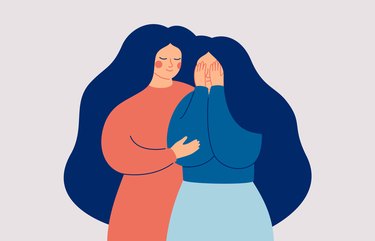







































Many people have fleeting feelings of sadness or worry. But when those feelings persist or worsen, it may be depression. Those afflicted with depression or anxiety may be able to find relief through supplements and amino acids, suggests holistic practitioner Dr. Andrew Weil. Before you use herbal supplements, however, consult with your physician to see if they are appropriate for you.
Amino Acids
Amino acids may help with both anxiety and depression. L-theanine, the amino acid found in tea plants, is believed to have calming effects, reports Weil. And the sleepiness you feel after your Thanksgiving meal may not just be due to overeating, either. The amino acid tryptophan---found in turkey---is known for its sedating effects, according to AskDrSears.com, a website from University of California, Irvine, pediatrician William Sears. Other dietary sources of tryptophan include eggs, milk, bananas, dairy and sunflower seeds. Another amino acid, tyrosine, is purported to relieve depression by increasing energy and improving mood. However, Weil warns that it can raise some people's blood pressure and may also cause anxiety.
Supplements for Depression
Weil recommends a number of different supplements for depression. Omega-3 fatty acids---found in fish, walnuts, flax, canola oil, and pumpkin seeds---may help support and maintain a healthy brain and combat depression. St. John's Wort has "shown an effectiveness equaling Prozac in the treatment of mild to moderate depression," Weil claims. The National Center for Complementary and Alternative Medicine adds, though, that side effects for St. John's Wort include anxiety, dry mouth, dizziness and gastrointestinal symptoms. The supplement known as SAMe is another option and works faster than St. John's wort, Weil purports. However, Simon N. Young from the Department of Psychiatry at McGill University Montréal published a 2003 article in the "Journal of Psychiatry & Neuroscience" advising against taking SAMe because of the lack of evidence regarding its long-term safety. B vitamin supplements, particularly folic acid and B6, may also help to relieve symptoms of depression and "can increase the efficacy of prescription antidepressants," reports Weil.
Supplements for Anxiety
Weil recommends a passion flower supplement to help decrease stress and anxiety. MedlinePlus, a service of the U.S. National Library of Medicine and the National Institutes of Health, notes, though, that the safety and effectiveness of passion flower have not been proven. And, according to a West Palm Beach Veterans Affairs Medical Center report published in the May/June 1999 issue of "Lippincotts Primary Care Practice," clinical trials indicated kava could be approximately as effective as some prescription anti-anxiety medications. But according to the National Center for Complementary and Alternative Medicine, kava may have severe side effects, including liver damage, drowsiness and dystonia, or involuntary muscle movements.
Supplements for Postpartum Depression
According to La Leche League International---an organization that provides information and support to breastfeeding mothers---depressed women frequently have deficiencies in vitamins B6, B12, folate, choline and omega-3s. Nutritional supplements or foods rich in these nutrients can help to reverse these deficiencies and thus potentially combat postpartum depression.
Alternative Treatments
For mild to moderate depression, Weil also proposes aerobic activity, relaxation techniques, avoiding caffeine and alcohol and acupuncture. He also suggests looking at the prescription and over-the-counter medications you take; things like tranquilizers and sleeping pills can exacerbate depression.
Warning
If your depression is acute or your anxiety is affecting your quality of life, counsels Weil, you should contact your doctor or a trained mental health professional.
References
- La Leche League International: Treatment Options for Depressed Breastfeeding Mothers: Allopathic, Alternative, and Lifestyle Changes
- Weil: Tyrosine: Good Supplement for Depression?
- Ask Dr. Sears: Family Nutrition
- Dr. Weil: An Anti-Anxiety Agent in Tea?
- National Center for Complementary and Alternative Medicine: St. John's Wort


Member Comments