





































































What Are the Causes of Dizziness & Tinnitus?

What Are the Causes of Dizziness & Tinnitus?
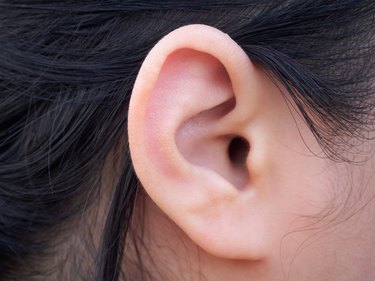
Photo Credit ear image by Connfetti from Fotolia.com

Dizziness is a term that encompasses feelings of faintness, lightheadedness, weakness and unsteadiness as well as a severe spinning sensation called vertigo. MayoClinic.com notes that dizziness is one of the most common reasons that adults visit the doctor. Tinnitus is a constant sound in the ear that may be described as ringing, buzzing, clicking or hissing. When dizziness and tinnitus occur together, it usually indicates problems within the ear.

Labyrinthitis

Labyrinthitis is an ear condition characterized by the inflammation of a portion of the inner ear called the labyrinth. Labyrinthitis usually occurs as a result of an ear infection or upper respiratory tract infection, but can also develop because of allergies, certain medications or a cyst in the ear, according to MedlinePlus. When the labyrinth is inflamed, it interferes with normal and proper functioning of the ear, which includes hearing as well as maintenance of proper balance. Symptoms of labyrinthitis include dizziness, vertigo, tinnitus, vision problems, hearing loss in the affected ear, loss of balance, nausea and vomiting. Labyrinthitis usually goes away on its own within a couple of weeks, but medications may be helpful in relieving symptoms until the inflammation subsides. MedlinePlus notes that driving should be avoided while symptoms persist and for at least one week after symptoms have gone away.

Meniere's Disease

The inner ear contains a fluid called endolymph that is important in proper functioning of the ear. The fluid must have a certain volume, composition and pressure in order for the ear to help the body hear correctly and maintain balance. Meniere’s disease is an ear disorder in which the endolymph undergoes changes in volume, composition or pressure. The exact cause of these changes is unknown, but a number of possible triggers, including allergies, abnormal immune response and viral infection, have been identified, according to MayoClinic.com. Symptoms of Meniere’s disease include vertigo, dizziness, tinnitus, fluctuating hearing loss, and feeling of pressure and fullness in the ear. Symptoms of Meniere’s disease usually occur in frequent episodes that alternate with periods of remission. There is no known cure for Meniere’s disease, but treatment options are available to help control symptoms. Motion sickness medications and anti-nausea medications may be used in conjunction with diuretics.

Acoustic Neuroma

An acoustic neuroma is a benign, slow-growing tumor that forms on the nerve that connects the ear to the brain. Acoustic neuromas are believed to develop as a result of a genetic defect, however, the cause of the genetic defect is unknown, according to the University of Maryland Medical Center. Common symptoms of an acoustic neuroma include vertigo, tinnitus and hearing loss in the affected ear. Some people may also experience headache, loss of balance, numbness and pain in the ear or face, vision problems, and sleepiness. Since an acoustic neuroma grows slowly, immediate treatment may not be necessary. When symptoms become severe or interfere with daily life, radiation therapy may be used to stop the tumor growth or surgery may be required to remove the tumor.

References

Article reviewed by Christine Brncik Last updated on: Apr 29, 2012

Must see: Photo Galleries