















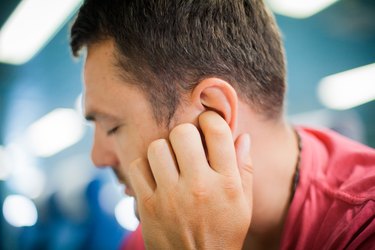

















































Ringing in the ear is a medical condition referred to as tinnitus. The ringing associated with tinnitus ranges in volume between individuals. Tinnitus can cause minor irritation or be so severe that it can interfere with hearing and cause sleeping difficulties. Although it can be extremely bothersome, ringing in the ears is not usually indicative of a serious condition.
Ear Wax Blockage
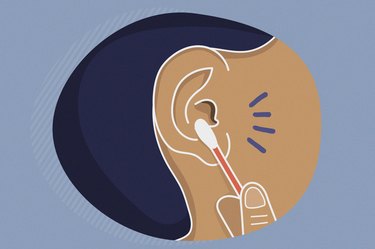
Ear wax, also called cerumen, is a protective substance in the ear that prevents bacteria, dust and other potentially harmful substances from traveling down the ear canal. As ear wax is produced, it usually moves through the ear canal and comes out of the ear opening. In some cases, the ear wax can accumulate in the ear canal and harden, causing a blockage. The most common cause of an ear wax blockage is cleaning of the ears with a cotton swab, says MedlinePlus. An ear wax blockage can usually be treated at home by softening the ear wax with ear drops or baby oil. If the ear wax does not come out, a doctor can attempt to suction the ear wax out or use water to coax it out.
Acoustic Trauma
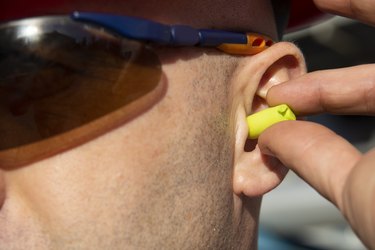
An acoustic trauma is any damage to the hearing structures in the ear that occurs as a result of exposure to an extremely loud noise. Gunshots, explosions and very loud music can all cause acoustic trauma. Symptoms of acoustic trauma include partial or complete hearing loss and ringing in the ears. The University of Maryland Medical Center notes that partial hearing loss usually gets worse over time. The hearing loss associated with acoustic trauma cannot be reversed, so treatment focuses on preventing it from getting worse. This can be accomplished through the use of ear plugs and avoiding loud noises. Hearing aids may also be used to help improve hearing.
Ruptured Ear Drum
The eardrum is a thin tissue that separates the ear canal from the middle ear. The eardrum allows for hearing and also protects the middle ear from exposure to bacteria, water and other potentially harmful substances. A ruptured eardrum occurs when a hole or tear forms in the eardrum. This may be caused by ear infections, intense decrease in air pressure, putting foreign objects in the ear, loud noises and head trauma. Symptoms of a ruptured eardrum include sudden ear pain, drainage from the ear that may be bloody or contain pus, hearing loss, vertigo and ringing in the ears. MayoClinic.com notes that most ruptured eardrums heal without any medical intervention. If the ruptured eardrum does not heal on its own, surgery may be needed.


