































































Cardiac ablation is a procedure performed to correct irregular heart rhythms. Electrodes are used to correct the structural problems that are responsible for the arrhythmia. Ablation is reserved for cases of irregular heart rhythms that have not resolved with medication in addition to specific conditions that respond well to this procedure.
What to Expect
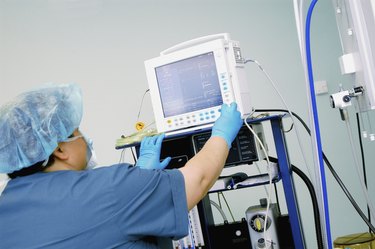
Cardiac ablation is performed in an electrophysiology laboratory of a hospital by a specially trained staff. A cardiologist trained in electrophysiology, nurses and technicians make up the team. Before ablation begins, the patient receives a mild sedative. The skin at the planned site of catheter insertion is prepped with an antiseptic preparation and numbed with a local anesthetic agent. A vein in the neck, forearm or groin is the preferred route for catheter insertion. A small incision is made in the vein, and a small flexible tube called a catheter is inserted through the incision. The procedure can lasts four or more hours.
Preparation
The patient usually does not to eat or drink anything after midnight before the procedure. The cardiologist advises the patient which of his daily medications to take with a sip of water the day of the ablation.
Procedure
Using live X-ray imaging, the cardiologist guides the catheter through the vein and into the heart. A special dye, which will show on the X-ray images, is injected through the catheter. The dye helps the physician visualize what area of the heart needs ablation. Once the catheter is in position, the cardiologist passes flexible tubes containing electrodes through it. The electrodes are attached to a cardiac monitor, thus allowing the physician to identify which area of the heart is causing the arrhythmia. Once the area of abnormal tissue is identified, energy is sent through one of the catheter lines to create a scar. The scar acts as a barrier between the healthy heart tissue and the abnormal heart tissue. Now, electrical impulses can pass normally through the heart.
Indications
According to the Mayo Clinic, ablation is a treatment option in cases of irregular heart rhythms that do not respond to medication and for people who experienced serious side effects from the medications doctors use to treat the arrhythmia. Irregular heart rhythms treated with ablation include atrial fibrillation, atrial flutter, ventricular tachycardia and abnormal pathways in the atria, which disrupt the normal flow of electrical cardiac signals.
Risk Factors
MedlinePlus says that cardiac ablation is a generally safe procedure with rare complications. Bleeding at the incision site, damage to the blood vessel where the catheter is inserted, development of a blood clot and damage to a heart valve are possible risks associated with this procedure. Heart attack and cardiac tamponade, which is the accumulation of fluid around the heart, can occur with ablation.
Recovery
Following the procedure, the patient can expect to be kept in bed for at least one hour and possibly up to six hours. A small sterile dressing covers the site of insertion, and pressure is applied to reduce the risk of bleeding. During this time, the patient's heart rhythm is constantly monitored. The cardiologist determines if the patient can be discharged the same day or if hospitalization for further cardiac monitoring is necessary. The patient may feel tired and have a sore chest during the two or three days following ablation.
Prognosis
In general, cardiac ablation is a successful treatment for abnormal heart rhythms. However, success varies with each case, and some patients require a repeat procedure.


