

































































Yoga & Tinnitus

Yoga & Tinnitus
Photo Credit Meditation image by Daniel T. Seebacher from Fotolia.com

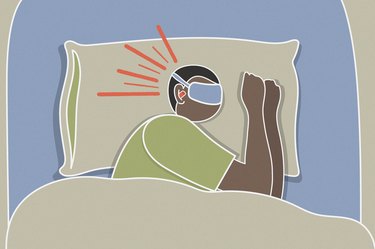
Tinnitus is the medical term used to describe ringing, swishing or other abnormal sounds in the ear. For some, this condition occurs sporadically and remains mild, while in other cases it can become disabling. Tinnitus can be associated with hearing loss and can lead to difficulty maintaining balance. Tinnitus has no specific cure, but you can take steps to manage this condition. Yoga might help.

Identification

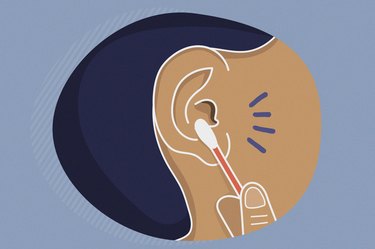
Tinnitus is diagnosed when a patient hears ringing, swishing, whistling, chirping, roaring or other sounds in the absence of an external sound, states the American Tinnitus Association. Tinnitus is not a disease in itself, but rather a symptom of an underlying problem. It can occur because of damage to the ears from medication, drugs or exposure to loud noises. It can be a symptom of Ménière's disease, head injury, ear and sinus infections, wax buildup, allergies, or in rare cases a tumor. Because some causes of tinnitus can be serious, before starting a yoga program it is best to have the cause of your tinnitus properly diagnosed so that underlying conditions can be treated.

Considerations

Yoga teaches the practitioner to be more mindful of the body through the practice of physical postures (asanas), breathing exercises (pranayama) and relaxation techniques. Yoga comes in many styles, and some forms are more physically vigorous while others focus more on the meditative aspects. Beginner classes, power yoga classes and even classes that can be done while seated in a chair are all part of the discipline of yoga. Given this, it is important to try several levels, types and teachers in order to find the right fit. If an underlying disease is causing the tinnitus, talk to a health care provider first to avoid contraindications.

Benefits

Stress can make tinnitus worse, warns the Mayo Clinic. In addition, the force placed against artery walls when blood pressure is high can also exacerbate this condition. Learning a relaxation or meditation technique can help to control symptoms by lowering stress and blood pressure. The goal is to practice yoga regularly. This is a more effective way to use yoga, versus waiting to meditate until symptoms appear, when it is harder to relax. Relaxation or meditation is a skill and like any skill, it can take time to master. Practicing every day will help the body and mind stay calm. That skill can then be used when symptoms flare.

Features

Yoga can be included in an overall treatment program to manage symptoms of tinnitus. Along with the above, a yoga practice can teach the patient how to consciously relax the muscles. In addition, the yoga postures can improve circulation. Relaxing the muscles and improving circulation are both helpful in reducing the symptoms, suggests the American Academy of Otolaryngology. Because fatigue can also make tinnitus symptoms worse, a regular yoga practice that encourages deep breathing can help energize the body and fight fatigue.

Solution

For some patients, being in a quiet atmosphere can make the symptoms seem worse, so it might be best to practice yoga and meditation with soft music or a devise that produces white noise or relaxing sounds. The National Institute on Deafness and Other Communication Disorders, also recommends looking into a sound generator that fits in the ear and makes a soft sound to mask the tinnitus sounds. These devises can help to promote relaxation for both yoga and sleep.

References

Article reviewed by Kirk Ericson Last updated on: Jun 14, 2011

Must see: Photo Galleries