





























































About Tarsal Metatarsal Joint Pain

About Tarsal Metatarsal Joint Pain
Photo Credit foot image by Mat Hayward from Fotolia.com

Metatarsal joint pain is also known as metatarsalgia. This is pain that is felt on the bottom of the foot under the second to fourth metatarsal heads. The pain can also be accompanied by a callus formation under the toes. This condition is usually associated with a fallen transverse arch, according to "Quick Reference Clinical Chiropractic Conditions Manual." The condition has an insidious onset and can be experienced off and on for a period of months or even years. The pain is usually described as a dull ache and may feel like you have something in your shoe.

Cause

Metatarsalgia can be caused by a variety of factors. These include improper foot biomechanics, poorly fitting shoes, recent weight gain, a fallen transverse arch or from standing for long periods of time on a hard surface. The pain can also be caused by a combination of any of the above.

How to Avoid the Pain

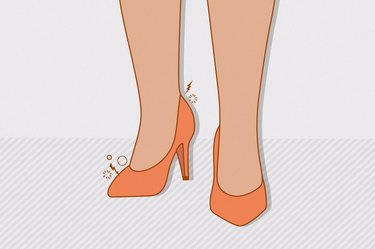
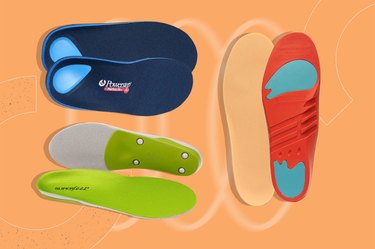
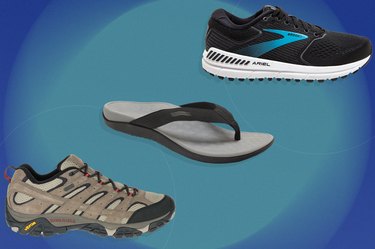
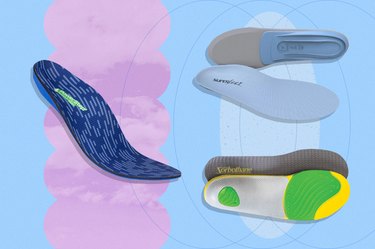
To avoid the pain, wear properly fitting shoes and avoid shoes that can aggravate the condition, such as high heeled shoes. If the foot has improper biomechanics, an orthotic that is customized to correct them and support the arch may help. Also if the pain is the result of being overweight, weight loss can help the condition.

Treatment

To treat the pain, doctors and therapists may use ice, ultrasound, orthotics, taping to support the foot arches and rehabilitation to strengthen the muscles and encourage proper biomechanics.

Other Conditions

Metatarsalgia can also be related to a stress fracture or a condition known as Morton's neuroma. According to Magee, Morton's neuroma is a condition that results in an inter-digital neuroma from an injury to one of the nerves between the toes. This is most common between the third and fourth toes. A stress fracture will usually be brought on with sudden pain from walking or running and will be quite painful.

Prognosis

If the problem is metatarsalgia and there is no indication of a fracture or neuroma, the prognosis is good. By using ice and improving the biomechanics, many people can be pain free in one to three weeks according to "Quick Reference Clinical Chiropractic Conditions Manual."

References

  • "Quick Reference Clinical Chiropractic Conditions Manual"; Vizniak NA, Carnes MA; 2004
  • "Orthopedic Physical Assessment Fifth Edition."; Magee DJ; 2008

Article reviewed by Eric Lochridge Last updated on: Sep 24, 2010

Must see: Photo Galleries