












































How to Elevate HDL Levels

How to Elevate HDL Levels
Photo Credit couple walking image by Joy Fera from Fotolia.com

High-density lipoproteins, or HDL, refers to a form of cholesterol that is important in helping the body to build cells. Two different forms of cholesterol exist in the body. In simple terms, cholesterol is either good or bad. The bad cholesterol is referred to as low-density lipoprotein, or LDL, which can accumulate in the blood vessel walls causing narrowing and blockage. In the event of excess LDL accumulation, the risk of medical complications such as high blood pressure and heart disease increase. Lowering LDL is important; however, raising HDL is equally as important since the good cholesterol serves to remove bad cholesterol from the blood.

Step 1

Exercise five times a week. Regular aerobic exercise such as brisk walking, jogging or biking results in a 5 percent increase in HDL compared to people with sedentary lifestyles, notes MayoClinic.com. Try exercising for 20 to 30 minutes a day at least five times a week to increase your heart rate.

Step 2

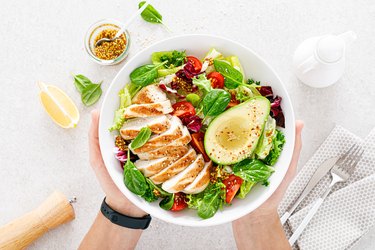
Lose excess weight. According to the journal "Circulation," published by the American Heart Association, obesity or being overweight results in low HDL levels. Losing the excess weight and reducing the circumference of your waistline significantly elevates high-density lipoprotein levels. Try to lose weight by eating healthier, managing portions and engaging in daily physical activity.

Step 3

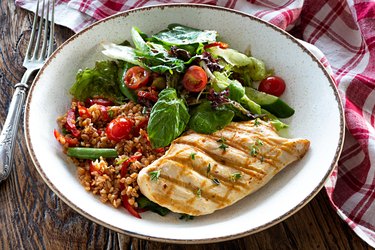
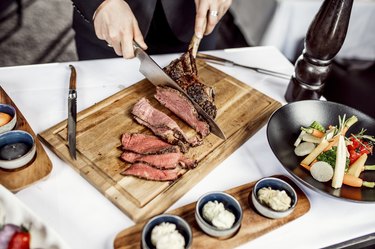
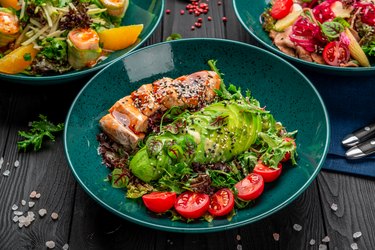
Stop eating foods with high saturated and trans fats. Saturated fats contain triglycerides and come mainly from animal meats and dairy. Trans fats are added to foods to maintain processing and shelf-life. Both forms of fats are notorious for raising LDL levels and damage the blood vessels. MayoClinic.com suggests decreasing your intake of saturated and trans fats and increasing monounsaturated or polyunsaturated fats to improve HDL levels. Eat foods containing omega-3 fatty acids, such as nuts and fish to increase HDL and decrease bad fat intake.

Step 4

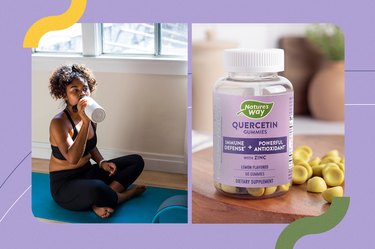
Take niacin vitamins. Niacin is also referred to as B3 or nicotinic acid. MayoClinic.com explains that niacin is found to increase HDL levels significantly when taken in prescription form. Niacin is found over-the-counter, but may not contain enough ingredient for improving cholesterol level. Talk with your physician about incorporating niacin into your daily diet for best results.

Step 5

Enjoy moderate amounts of dark chocolate. A 2004 study in "Free Radical Biology and Medicine" indicates that the cocoa powder found in dark chocolate increases the concentration of HDL levels. Eat plain dark chocolate in small portions, less than one ounce a week, for the most benefit. Stay away from dark chocolates with extra fattening substances such as marshmallow and caramel.

Step 6

Quit smoking and drink less alcohol. Quitting smoking can increase HDL levels by up to 10 percent, according to MayoClinic.com. Try taking hypnotherapy for smoking or join a smoking cessation support group to aid in the process. Excessive alcohol consumption results in numerous health conditions. However, The American Heart Association does support drinking no more than 6 oz. of red wine a night as a means to raise HDL levels. If you are prone to alcoholism or have a current drinking problem, using alcohol to raise HDL levels is not a good option as moderation of use is key.

Tips and Warnings

  • Get a cholesterol check to learn where your HDL and LDL levels stand. Consider starting a heart healthy diet program, such as the DASH diet, notes MayoClinic.com.
  • Natural efforts at raising HDL do not work for every one. In this case, consult your physician to learn about medical options for improving HDL. Check with your physician prior to engaging in any physical activity to make sure you are physically able to handle cardiovascular increase.

Things You'll Need

  • Niacin
  • Dark chocolate

References

Article reviewed by David Fisher Last updated on: Sep 24, 2010

Must see: Photo Galleries