






















































Food to Help Muscle Spasms

Food to Help Muscle Spasms
Photo Credit muscles image by Inhumane Productions from Fotolia.com

Muscle spasms are painful, involuntary muscle movements. Lack of potassium and calcium can result in muscle spasms, according to the National Institutes of Health. Both nutrients help your muscles contract and operate efficiently. Nourishing your muscles internally will improve your overall level of health. Be certain to include the foods as part of a well-balanced meal plan to obtain maximum nutrients.

Fruits

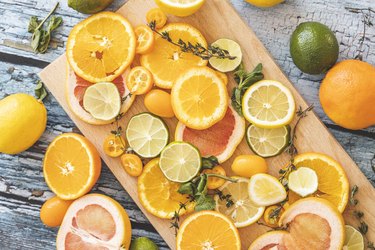
Certain fruits can help muscle spasms. Fruits can contain both potassium and calcium to help your muscle spasms. Dried fruits including figs, prunes and raisins contain rich amounts of both potassium and calcium, according to the Produce for Better Health Foundation. A one-half cup serving of dried figs will supply you with 121 milligrams, or mg, of calcium and an impressive 507 mg of potassium. Citrus fruits such as oranges, tangerines, lemons and grapefruit contain rich amounts of both nutrients. Fruits particularly rich in potassium include mango, kiwi, citrus, cantaloupe and apricots.

Meat

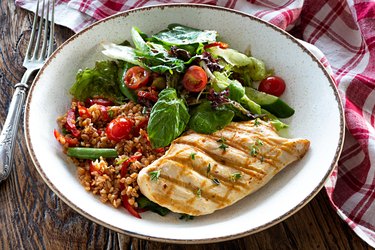
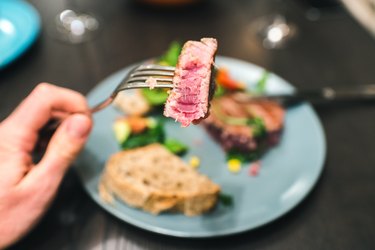
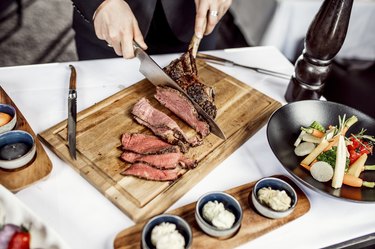
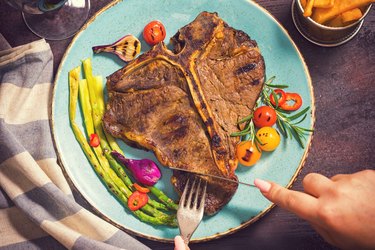
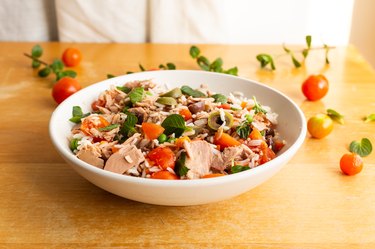
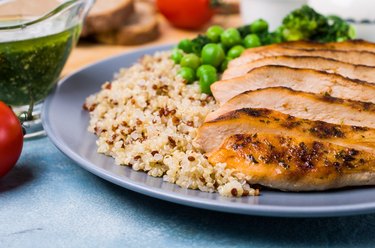
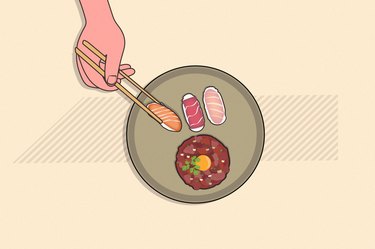
Eating a variety of meats can help your muscle spasms by supplying you with rich amounts of both calcium and potassium. Fish rich in these muscle-healthy nutrients include sardines, salmon, cod and flounder. Eat fish either cooked, raw or canned. Instead of discarding canned sardine bones, eat them. Bones contain calcium, according to the National Institutes of Health. Other good sources of potassium include poultry and red meat.

Dairy Foods

Dairy foods provide the highest level of calcium out of all foods, according to the National Institutes of Health. Dairy foods such as milk and yogurt also contain large amounts of potassium. Help not only your muscle spasms, but your cardiovascular health by eating low or no fat dairy products. Low and/or no fat varieties include 2 percent, 1 percent, fat free and skim. Removing fat does not reduce calcium content. Calcium is not located in the fat portion. By choosing lower fat calcium foods, you actually will be getting a higher calcium amount. When the fat is removed, it can be replaced with an equal portion of lower-fat milk. This increases calcium content. Eating milk, ice cream, yogurt, buttermilk, eggs and cheese will help your muscle spasms. Cheeses rich in calcium come in both hard and soft varieties. Hard cheeses include cheddar, Swiss, Colby, parmesan, havarti, dry curds and blue varieties. Soft cheeses include ricotta and cottage. If you are lactose-intolerance, get your calcium by consuming any number of lactose-reduced products.

Green, Leafy Vegetables

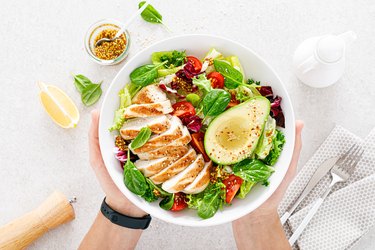
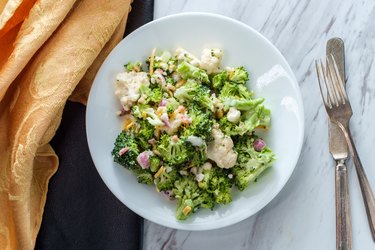
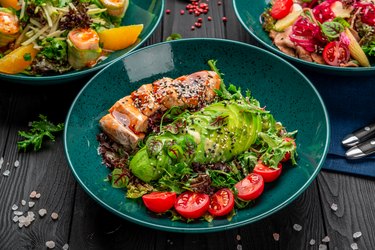
Green, leafy vegetables contain good amounts of calcium and potassium, according to the National Institutes of Health. Your body contains more calcium than any other mineral. Calcium is found in your muscles, blood and body fluids. This mineral helps your blood vessels and muscles to contract. Green, leafy vegetables include turnip greens, bok choy or Chinese cabbage, collard greens, watercress, mustard greens, kale, broccoli, arugula, endive and dandelion greens. Varieties of lettuce including red leaf, romaine and green fall in this category also.

Vegetable Varieties

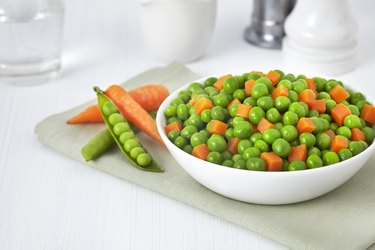
Along with leafy greens, help your muscle spasms by eating other vegetables that contain good amounts of potassium and calcium. These vegetables include sweet and white potatoes including skins, artichokes, asparagus, winter squashes, peas and tomatoes.

References

Article reviewed by demand68117 Last updated on: Jun 14, 2011

Must see: Photo Galleries