Diverticulitis and diverticulosis are both forms of diverticular disease, a common problem for many Americans. According to 2006 information supplied by the National Digestive Diseases Information Clearinghouse, 1 out of 10 Americans over the age of 40 is affected by diverticular disease; the incidence is even greater among those over age 60. A person with diverticulosis develops pouches or pockets called diverticula on the wall of the colon or large intestine.
While most people with diverticulosis have no symptoms, they are at risk for diverticulitis. This painful condition develops when a diverticular pouch becomes inflamed or infected, causing abdominal discomfort and often a fever. Your doctor will limit your diet and give you a short list of clear and easily digestible foods to eat until the inflammation subsides. After recovery, he will likely recommend that you follow a high-fiber diverticulitis diet plan to help prevent further attacks.
Video of the Day
Video of the Day
Foods to Avoid With Diverticulitis Flare-Up
If you are experiencing a flare-up of diverticular inflammation symptoms, your doctor will most likely prescribe antibiotics and recommend that you observe a clear liquid diet until the symptoms subside. During this time, you should avoid solid foods, consuming only clear broth, gelatin, ice pops and clear juices with no pulp.
Recovery Food List
Once your symptoms lessen, your doctor will probably suggest that you resume eating solid foods gradually. Begin by eating easily digested foods that are low in fiber, such as dairy products, eggs, low-fiber cereal and bread, pasta, white rice and canned or soft fruits and vegetables with no seeds or skin. Gradually begin adding 5 to 15 g of fiber daily until you are once again able to eat a high fiber diet, suggests the University of California San Francisco Medical Center.
Preventative Diverticulitis Diet
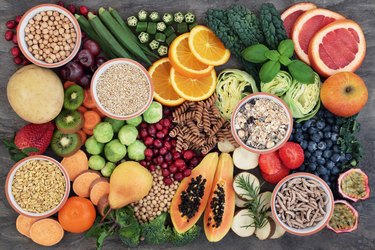
High fiber foods for diverticulitis can help prevent the development of this condition. Fiber helps prevent constipation and softens your stool. Women should aim for at least 25 g of fiber daily, while men should have 35 g. The website FamilyDoctor.org, overseen by the American Academy of Family Physicians, recommends that men age 50 of younger consume 38 g of fiber daily, while men older than 50 consume at least 30 g daily. For women under age 50, the daily fiber recommendation is at least 25 g of fiber daily; for women over age 50, the recommendation is 21 g. Fiber-rich foods include whole grain breads and cereals, fruits, vegetables, brown rice, nuts and legumes such as peas and beans. Increasing your fiber intake too quickly can have negative side effects. Drink plenty of water to help prevent bloating, gas, abdominal pain, constipation or diarrhea.
Precautions and Considerations
Consult your doctor if you suspect you have problems with either diverticulosis or diverticulitis. Although a mild, uncomplicated case of diverticulitis may require little more than oral antibiotics, bed rest and a liquid diet for a few days, a severe case may require hospitalization. Untreated diverticulitis can lead to bleeding or blockages of the colon, as well as peritonitis, a serious illness, which can result in death.