



























































Testosterone is a hormone most commonly associated with the male sex drive. Both men and women have testosterone, but men have higher amounts. As people age their testosterone levels decrease. Low testosterone levels may lead to a low sex drive, depression and irritability, according to Life Extension Magazine. Some foods may help improve testosterone levels in both men and women.
Boron
Boron is a trace mineral shown to enhance body building and improve menopausal symptoms, according to the National Institutes of Health's Medline Plus. A 1987 study published in "The Federation of American Societies for Experimental Biology" investigated the effects of boron supplementation on estrogen and testosterone metabolism in postmenopausal women. Twelve women were given 3mg of boron a day. At the end of the study, the supplemented women had significant increases in testosterone levels. Most Americans consume about 1.0mg of boron a day. To increase intake for testosterone, people need to eat foods high in boron such as peanut butter, wine, grapes, beans and peaches.
Zinc
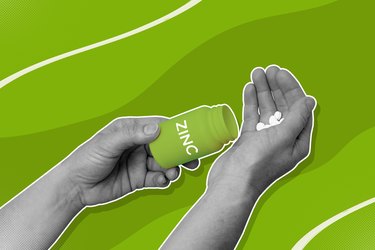
A low intake of zinc has been associated with low levels of testosterone, according to the Office of Dietary Supplements. A 1996 study published in "Nutrition" investigated the effects of zinc supplementation on testosterone levels in healthy men of all ages. The study showed a positive correlation between adequate zinc intake and testosterone levels. Men who were zinc deficient and than supplemented showed significant improvements in testosterone levels, according to the researchers. Oysters contain the highest amount of zinc with 76.7mg in six oysters, meeting over 500 percent of a person's daily needs. Other food sources of zinc include chicken, pork, cashews, chickpeas, crab legs and baked beans.
Vitamin D
Vitamin D helps to keep bones strong, but adequate intakes may also help improve testosterone levels, according to a 2010 study published in "Clinical Endocrinology." The cross-sectional study assessed the relationship between blood vitamin D levels and testosterone levels in over 2,000 healthy men. The study showed the men with higher blood levels of vitamin D also had higher levels of testosterone. The body is able to make its own vitamin D through exposure to the sun, but not everyone is able to get enough sun exposure to make adequate amounts of vitamin D. Food sources of vitamin D include fortified milk, eggs, salmon, mushrooms, mackerel and fortified breakfast cereals.
References
- "Life Extension Magazine"; Why Aging Women Need Testosterone ; E.R. Rosick; 2004
- Medline Plus: Low Testosterone Reference Summary
- "FASEBJ"; Effect of Dietary Boron on Mineral, Estrogen, and Testosterone Metabolism in Postmenopausal Women; F.H. Nielsen; 1987
- "Nutrition"; Zinc Status and Serum Testosterone Levels of Healthy Adults; A.S. Prasad; 1996
- "Clinical Endocrinology"; Association of Vitamin D Status with Serum Androgen Levels in Men; E. Wehr; 2010


