






































Iron is an essential nutrient that your body uses in the manufacture of new red blood cells. Without an adequate amount in your diet, you'll begin to experience the symptoms of iron-deficiency anemia, including fatigue, bruising, and susceptibility to infection. Men need 8 mg of iron a day; women need 18 mg a day. The presence of vitamin C helps increase the absorption of iron from food sources, so make sure to consume adequate amounts of this nutrient as well.
Clams
A 100-g serving of clams contains 14 mg of iron. Clams are also a very good source of vitamin B12 and a strong source of potassium. Most clams served in the U.S. are farmed in uncontaminated waters and are thus a good green food choice as well.
Oysters
Oysters are only slightly behind their fellow shellfish in iron content, with 6 mg of iron per 100 g. Oysters are also a solid source of zinc and vitamin B12.
Pumpkin Seeds
Pumpkin seeds, sometimes known as pepitas, have a surprisingly high iron content: 14 mg per 100-g serving. They're also rich in thiamine, riboflavin, niacin, magnesium, potassium and zinc.
Liver
Chicken and beef liver are both high in iron. Chicken liver has 9 mg per 100 g serving, while beef liver has 5 mg per 100 g. Goose and duck liver are even higher, with 30 mg of iron per 100 g. Liver also contains high levels of vitamin A, riboflavin, vitamin B12 and zinc.
Blackstrap Molasses
The website World's Healthiest Foods states, "blackstrap molasses is a sweetener that's actually good for you." A byproduct of white sugar production, blackstrap molasses contains 3.5 mg of iron per teaspoon, or 4.7 mg per 100 g. It also contains significant amounts of calcium, magnesium and potassium. Note that there are other, lighter and less nutritious versions of molasses also on the market.
Beef
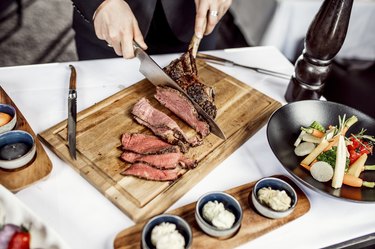
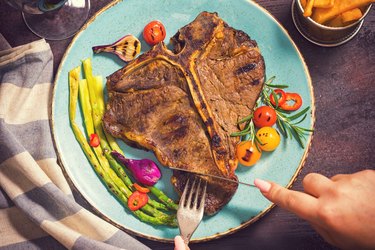
Depending on the cut, beef contains about 2.5 to 3 mg of iron per 100 g. The leaner the meat, the higher the iron content.
Beans and Lentils
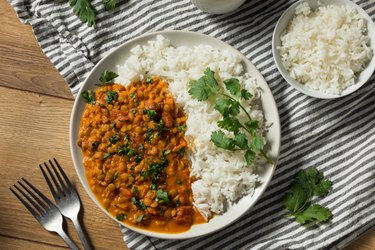
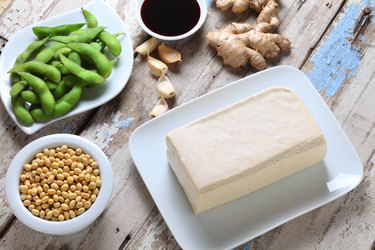
Beans and lentils are collectively known as legumes. Their iron content ranges from 5 mg per 100-g serving for whole boiled soybeans to about 2 mg for cooked kidney beans.
Spinach
A 100-g serving of cooked spinach contains 3.6 mg of iron, or about 20 percent of a day's recommended supply. Spinach is also a great source of calcium, magnesium and potassium, as well as vitamins A, C and B6, riboflavin and folate.
Prune Juice
Another surprising source of dietary iron is prune juice, with about 1.2 mg of iron per 100-g serving -- a little over one-third of a cup.
Fortified Cereals
There are many brands of cold cereal on the market that are fortified with extra vitamins, including a full day's supply of iron per serving as well as calcium and other nutrients.


Member Comments