





























































Foods Rich in Magnesium Chloride

Foods Rich in Magnesium Chloride
Photo Credit almonds image by Joann Cooper from Fotolia.com

Chloride is required for production of gastric acid in a healthy digestive system. In combination with magnesium, chloride helps metabolize carbohydrates. Magnesium is essential for the cardiovascular and nervous systems and assists with proper blood circulation. In addition to strengthening bones, magnesium helps maintain muscles and nerves. Magnesium chloride is a highly water-soluble salt of magnesium and readily absorbed by the body. Most Americans do not meet the RDA, recommended daily allowance, for magnesium set at 420mg for adult males and 320mg for adult females. Magnesium chloride supplements are available but there are many good food sources of magnesium to meet your body's requirements.

Fruits and Vegetables

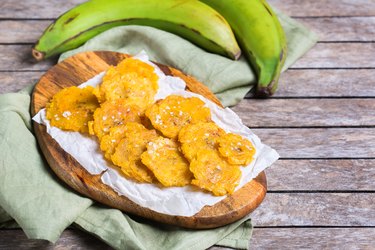
Green leafy vegetables are rich in magnesium. Spinach and Swiss chard each provide about 78mg per half-cup of magnesium. Other vegetables sources are okra, mushrooms, summer squash, asparagus, broccoli and artichokes. One medium banana provides 32mg of magnesium.

Nuts and Grains

Refined, processed foods are usually poor sources of magnesium. There is twice the magnesium in whole-wheat bread as white bread due to the removal of the germ and bran during processing white flour. Buckwheat flour supplies 21 percent RDA for magnesium per cup. Unrefined grains, such as oat bran that provides 96mg per half-cup, wheat germ and cornmeal are magnesium-rich. One-half cup of 100 percent All Bran cereal provides 93mg magnesium. Raw nuts are an excellent source, especially almonds, pecans, walnuts, Brazil nuts, cashews and hazelnuts. Seeds such as coriander, sesame, flax and sunflower top the list. Pumpkin seeds contribute 46 percent RDA magnesium per quarter-cup.

Beans and Legumes

Beans such as black, navy and pinto are good dietary sources of magnesium. One-half cup of Lima beans provides 63mg. One ounce of peanuts provides 48mg, making peanut butter and legumes good sources. Black-eyed peas provide 45mg of magnesium per half-cup.

Fish

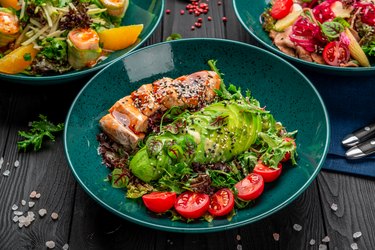
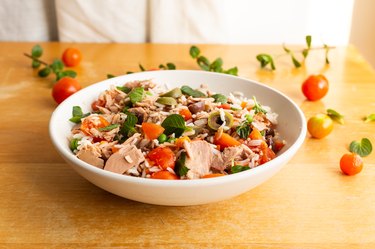
Fish and seafood are also good sources, particularly salmon, haddock, yellow-fin tuna and shrimp. Three ounces of halibut provides 90mg, 20 percent RDA for magnesium.

Tofu, Soy Products and Dairy

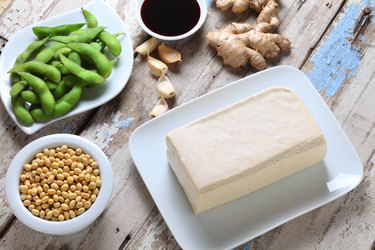
Magnesium chloride has a specific use as a coagulant in the preparation of tofu and soy milk and is one of the components of infant formula. Common in Japan, it is known as "nigari." Four ounces of raw tofu provides 8.5 percent RDA for magnesium. Plain skim milk yogurt provides 10 percent RDA per glass.

Benefits

Supplementation with magnesium chloride has been effective in treatment of illnesses such as high blood pressure, asthma, back pain and diabetes. A 2004 study by the Harvard School of Public Health examined the association between magnesium intake and diabetes, and concluded that a higher intake of magnesium lowered diabetes risk. The study supported "the dietary recommendation to increase consumption of major food sources of magnesium, such as whole grains, nuts, and green leafy vegetables."

Considerations

Drinking hard water can provide magnesium, a source which may not always be considered when totally daily magnesium intakes. According to Oregon State University, adverse effects do not occur from magnesium sourced from food. However, magnesium toxicity has been observed with intakes of magnesium chloride supplements, resulting in symptoms from diarrhea to cardiac arrest.

References

Article reviewed by Melanie Zoltan Last updated on: Sep 30, 2010

Must see: Photo Galleries

Member Comments