




















































Paleo Diet & Weight Loss

Paleo Diet & Weight Loss
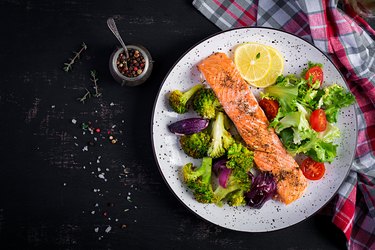
Photo Credit salmon image by BVDC from Fotolia.com

The "Paleo Diet," by Colorado State University health professor Loren Cordain, takes an anthropological view of diet-related health problems such as obesity and heart disease. The diet takes as its starting point DNA evidence showing that, genetically, humans have changed little in 50,000 years. This means your dietary needs are similar to what they would be for a Paleolithic human -- yet, your diet is probably vastly different. If you want to lose weight and be healthy, you need to eat less like civilized humans and more like your caveman ancestors, according to this diet.

Staples

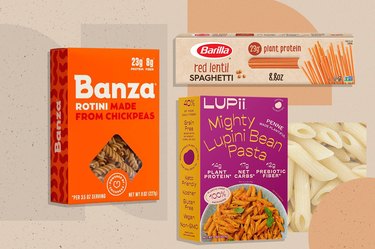
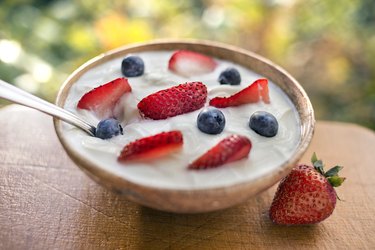
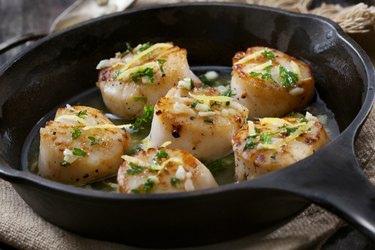
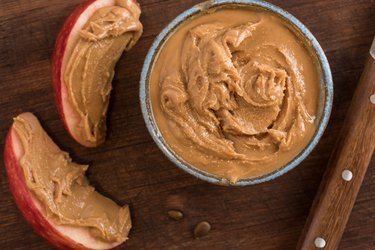
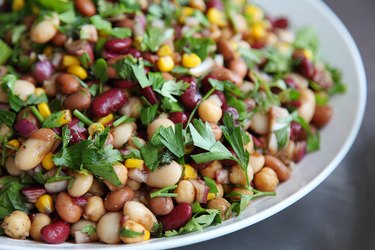
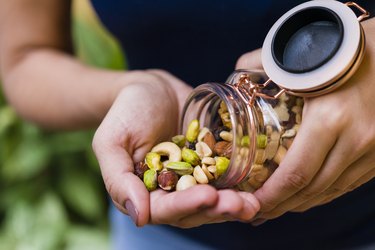
The Paleo Diet consists primarily of foods that can be gathered, hunted and caught. These include fish, shellfish, wild game, grass-fed or pastured livestock, fruit, vegetables, nuts, coconut, seeds and eggs from naturally raised chickens. The diet recommends the elimination of dairy, grains, potatoes, legumes, sugar, added salt and processed meats such as sausage, hot dogs and bacon. The restriction on legumes includes peas, snow peas, green beans, soy beans, corn and peanuts. Oils must come from fruits (olive, avocado) or tree nuts (coconut, walnut, almond). The diet does not permit sunflower, safflower or other seed oils, which are highly refined.

Guidelines

On the Paleo Diet, you are allowed to eat all the lean meats, fish, seafood and vegetables you want. This is because the diet is based on the premise that these foods are filling and do not stimulate appetite the way grains and refined carbohydrates do. If you tend to overeat fruit, however, you may need to regulate your consumption if weight loss is a major goal, according to ThePaleoDiet.com. The author of this diet also encourages you to allow a certain number of "open meals" per week or month. This is to help keep you committed to what he sees as a lifelong dietary change.

Nutrition

The Paleo Diet is 19 to 35 percent protein, 22 to 40 percent carbohydrate and 28 to 47 percent fat. Its nutritional makeup resembles the highly recommended Mediterranean Diet, according to "Journal of Nutrition." Like the Mediterranean Diet, the Paleo Diet is high in fat, but these fats are primarily heart-healthy, monounsaturated fats rich in omega-3 fatty acids and relatively low in omega-6 fatty acids. You will eliminate this benefit if you eat meat from grain-fed animals. These meats are higher in saturated fat and omega-6 fatty acids and lower in healthy omega-3 fatty acids, according to both "The Paleo Diet" and "The Omnivore's Dilemma" by health journalist Michael Pollan.

Benefits

The Paleo Diet promises weight loss, increased metabolism and improved health. Because it is free of grains and sugar, Paleo Diet meals also have a low glycemic load. Foods with a low glycemic load help you maintain blood sugar levels and control appetite, according to Linus Pauling Institute. On the Paleo Diet, this benefit comes without the need to look up glycemic values or to count calories or carbohydrates.

Tips

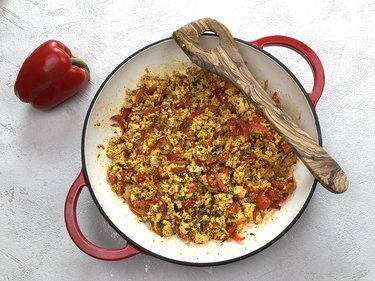
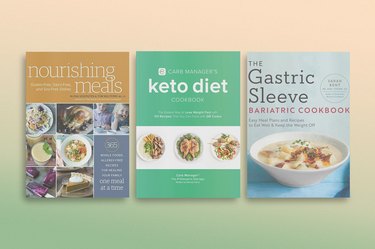
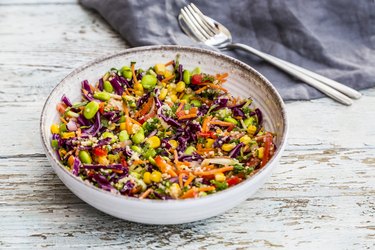
To increase variety in your Paleo diet, look to raw food recipes, ethnic cuisine or vegetable-heavy vegetarian cookbooks. Enthusiasts use Paleo-approved foods such as nuts and vegetables to make dairy-free cheeses and grain-free breads, pancakes and noodle dishes. Ethnic and vegetarian cookbooks may help you discover vegetable-based meals and new ways to prepare fresh produce.

References

Article reviewed by Ed Garcia Last updated on: Aug 11, 2011

Must see: Photo Galleries

Member Comments