
























































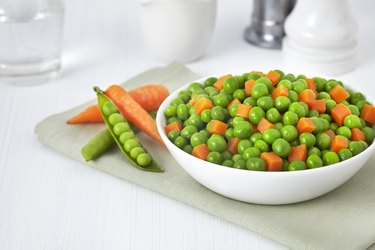
Diet and exercise have a direct impact on the quality of life of seniors in their later years. According to the National Institute on Aging, regular physical exercise and proper nutrition can help seniors remain independent for longer. This healthy lifestyle can keep a variety of age-related conditions and diseases at bay --- some permanently. Consult your doctor for any specific recommendations, and before beginning any new diet or exercise regimen.
Benefits
While genes play a significant role in how long you live, proper nutrition and regular exercise directly affect how well you live. According to the American Geriatrics Society, a lifetime of healthy living may be the most beneficial to healthy aging, but it is never too late to begin eating well and exercising regularly. Eat foods of a variety of colors and those rich in omega-3 fatty acids to remain strong. Stay physically fit with regular exercise and reduce your risk of falling.
Warning
Poor nutrition leads to a variety of medical and psychological problems, from anemia to depression. According to the Mayo Clinic, the immune system becomes weaker, leading to a higher risk for developing infections. Muscle and bone weakness leads to a higher incidence of falls and broken bones. Improper nutrition leads to poor skin quality, and lung, heart and digestive problems. A lack of regular physical activity leads to obesity, diabetes, high blood pressure and eventual immobility.
Features
One of the most significant dietary changes a senior can make to become healthier is to increase fiber intake. According to the American Academy of Family Physicians, diets high in fiber keep cholesterol levels down, help the digestive tract work more efficiently and reduce the risk of developing diseases ranging from diabetes to cancer. Men over age 50 should ingest close to 30 grams of fiber per day; women of that age need closer to 21 grams daily. Good sources of fiber include popcorn, fresh fruit and vegetables and whole-wheat bread.
Potential
Seniors can start an exercise program at any time to reap the benefits. A slow to moderate walking program can drastically improve your health, the American Academy of Family Physicians advises. Other enjoyable actives may increase your quality life and can include swimming, gardening and dancing.
Expert Insight
While the benefits of good nutrition and exercise are well documented, seniors often have difficulty maintaining a healthy lifestyle. According to the Weight-Control Information Network, many elderly people experience the loss of friends and family members, declining energy levels or financial issues that leave them with little motivation to eat well and get out to exercise. Teaming up with a senior support group or neighbor can help to keep you motivated. Volunteer organizations, hobbyist groups or a part-time job can provide needed impetus to stay active. Maintain a sense of humor about your aging process, and get enough sleep to round out your healthy lifestyle.


Member Comments