Excessive hair growth in women, called hirsutism, is a common problem that is usually not a cause for concern. Women with hirsutism grow hair in a way that is more typical for men. Thick, dark hair may grow on the face, chest, abdomen and back. Women with a family history of hirsutism and those of Middle Eastern, South Asian or Mediterranean descent are more likely to have excessive hair growth, but many women suffer from hirsutism without any identifiable cause. Treatments are available to prevent new hair growth and remove excess hair.
Step 1
Talk to your doctor about anti-androgen medications. High levels of androgens, or male hormones, can cause a woman to grow excess hair. Anti-androgen medicines, such as spironolactone and finasteride, may reduce new hair growth after three to six months of use, according to the American Academy of Family Physicians.
Step 2
Try birth-control pills if you are not trying to conceive and your doctor thinks they are appropriate for you. Birth-control pills can help decrease androgens in the body and may make a difference in your hair growth after several months, according to the National Institutes of Health.
Step 3
Ask your doctor about eflornithine, a prescription cream that is applied to the face and can start slowing hair growth within one to two months after treatment begins.
Step 4
Have electrolysis to permanently remove the hair. This method, which uses a small electrical current delivered through a needle to destroy hair follicles, can be expensive and time-consuming, according to the American Academy of Family Physicians, but it is the only permanent hair-removal method recognized by the U.S. Food and Drug Administration.
Step 5
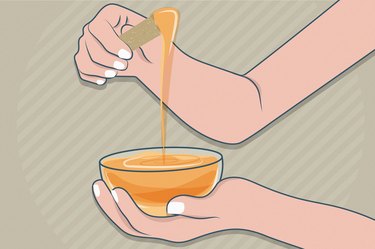
Remove the hair at home by shaving, plucking, waxing or using a chemical depilatory, or have a qualified technician perform laser hair removal. Home methods have to be repeated on a regular basis to keep hair growth under control, and laser hair removal may also not be permanent.
Tips and Warnings
- If you are overweight, you may be able to reduce unwanted hair growth by losing weight, which decreases the amount of androgens in your body.
- Anti-androgen medications may cause birth defects. Talk to your doctor about these risks and discuss birth-control options if you plan to use anti-androgens to treat hirsutism. Excessive hair growth in women can occasionally be caused by more serious conditions -- such as tumors, Cushing's syndrome and congenital adrenal hyperplasia. If you suddenly develop rapid hair growth, male features such as a deep voice or other symptoms that concern you, see your doctor.


Member Comments