Pancreatitis is a serious condition in which the pancreas becomes inflamed. This sometimes life-threatening disorder can lead to permanent organ damage. Nutrition is integral to the management of this condition, although immediate and long-term diet guidelines depend on your situation and whether or not you have any problems digesting nutrients. Speak with your doctor and ask for a referral to a dietitian to understand your individual diet and nutrition recommendations.
What Is Pancreatitis?
Video of the Day
The pancreas makes enzymes that help break down food, but in pancreatitis, these enzymes can get activated while still in the pancreas and cause damage and loss of pancreatic organ function.
Video of the Day
Pancreatitis leads to symptoms including severe pain, diarrhea, weight loss, nausea and vomiting, and if the damage is severe and long-lasting, consequences include poor digestion and absorption of dietary fats, carbohydrates, protein and other nutrients — and malnutrition.
Since the pancreas also makes hormones that regulate blood sugars, long-term damage of this organ can lead to impaired insulin production, elevated blood sugars and diabetes. Typical causes of pancreatitis are gallstones and heavy alcohol use, but other diseases can trigger this condition.
Proper Diet for Pancreatitis
In mild pancreatitis, a diet of liquids or solid foods can be started right away when symptoms of pain, nausea and vomiting have resolved. More severe pancreatitis may necessitate liquid nutrition be delivered through a feeding tube that reaches your stomach or intestines, which should be temporary until your doctor deems it appropriate to start taking foods or liquids by mouth.
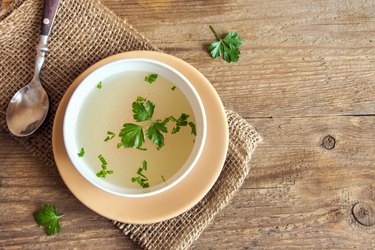
At this time, your diet will transition to clear liquids, such as broth, sports drinks, ice pops or clear fruit juice, or to a regular, but low-fat diet. It's important to follow the guidelines your medical team prescribes, since there are many factors that influence your specific diet recommendations.
Other Common Dietary Recommendations
For chronic or long-lasting pancreatitis, a diet that includes small, frequent meals helps minimize symptoms and improves digestion, and a low-fat diet is important particularly if there is impaired digestion of fat.
Poor nutrition is common after severe or chronic pancreatitis, and adequate calorie intake is important. Pancreatic enzyme supplements are usually prescribed to be taken at meals if poor digestion is present, and if diabetes is a consequence of pancreatitis, care needs to be taken that meals are matched with the action of insulin or diabetes medications in order to control blood sugars.
Foods to Avoid With Pancreatitis
Your doctor may recommend a low-fat diet after an episode of pancreatitis, especially if you have impaired digestion of fat. This will involve limiting or avoiding foods such as:
- Sausages, heavily-marbled beef, pork and lamb, poultry with skin, or processed lunch meats such as bologna or salami
- Cheese, regular-fat milk or yogurt
- Fried and breaded foods, such as breaded chicken or fish or french fries
- Doughnuts, high-fat crackers, snack chips or croissants
- Ice cream, cheesecake, pies and other high-fat desserts
- Sour cream, butter, margarine, vegetable oils, shortening and full-fat salad dressings
- Nuts, peanut butter, avocado
Since alcohol use is a common cause of pancreatitis, your doctor will also advise that you strictly limit or avoid alcoholic beverages.
Always Consult Your Doctor
There is no one-size-fits-all approach for the treatment of pancreatitis. It's important to work with a dietitian who can assess your nutritional needs and provide a plan that works for you.
If you have lost weight due to your illness or are otherwise malnourished, you will need to eat the amount and types of food prescribed to achieve an optimal calorie intake, and you may need to take special vitamins, minerals or liquid nutrition supplements to help improve your nutritional status.
And if your pancreatitis has caused diabetes, you will also need to work with your dietitian and diabetes team to understand how to manage your diet to control blood sugars.
Warnings
Manage pancreatitis by following your doctor's instructions regarding diet, medications and by seeing your medical team regularly for ongoing care. Eat a healthy diet and lose weight, if overweight, as obesity can increase the risk of gallstones which can cause pancreatitis. Don't smoke and avoid alcohol use.
If you experience any symptoms of pancreatitis, such as upper abdominal pain that spreads to the back, as well as nausea, vomiting or fever, see your doctor. Also let your doctor know if you have signs of poor digestion, including diarrhea or oily stools, or if you are unintentionally losing weight.
Reviewed by Kay Peck, MPH RD
- American College of Gastroenterology: Management of Acute Pancreatitis
- e-SPEN, the European e-Journal of Clinical Nutrition and Metabolism: Basics in Clinical Nutrition: Nutritional Support in Acute and Chronic Pancreatitis
- Nutrition Issues in Gastroenterology: A Practical Guide to the Nutritional Management of Chronic Pancreatitis
- National Institutes of Health: National Institute of Diabetes and Digestive and Kidney Diseases: Pancreatitis
Is this an emergency? If you are experiencing serious medical symptoms, please see the National Library of Medicine’s list of signs you need emergency medical attention or call 911.