






































































How to Lose Weight With BMR

How to Lose Weight With BMR
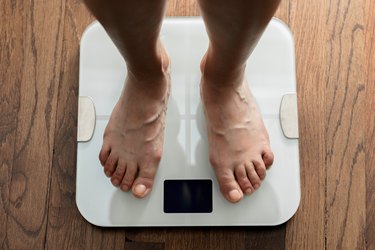
Photo Credit scale image by PinkShot from Fotolia.com

Your BMR, or base metabolic rate, is the normal amount of calories your body burns for energy, while at rest, to maintain proper body function. Base metabolic rate varies between individuals and is influenced by factors such as your body size, body composition, sex and age, according to the Mayo Clinic. Knowing your BMR, in conjunction with your daily calorie consumption, and the energy you burn from exercise can help you determine how to lose weight.

Step 1

Weigh yourself upon waking up in the morning. This weight should be measured in pounds. Weight plays a major role in determining your BMR.

Step 2

Measure your height in inches with the measuring tape. Stand with your legs and back straight to ensure proper measurement. Have someone else measure you if possible.

Step 3

Calculate your BMR using one of the gender specific formulas. Input your height in inches, weight in pounds and age in years where indicated. Women's BMR = 655 + [ 4.35 x weight in pounds ] + [ 4.7 x height in inches ] -- [ 4.7 x age in years ]. Men's BMR = 66 + [ 6.23 x weight in pounds ] + [ 12.7 x height in inches ] -- [ 6.8 x age in year ]. For example, a 20-year-old male with a body weight of 160 pounds and height of 70 inches would be: BMR = 66 + [ 6.23 x 160 lbs. ] + [ 12.7 x 70 in. ] -- [ 6.8 x 20 ] or BMR = 66 + [996.8] + [889] - 136 or BMR = 1815.8 calories.

Step 4

Compute the number of calories you consume each day. The best way to determine this number is to write in a journal or notebook what you eat each day along with the total number of calories found in each product consumed. Excess calories are stored as fat in the body and must be accounted for.

Step 5

Compute the number of calories your burn through exercise each day. Exercise can burn a significant amount of calories in addition to BMR and will dictate the adjustments you need to make for weight loss.

Step 6

Utilize the daily net energy formula to determine if you will lose or gain weight. Net Energy gain or loss = Total calories consumed -- [BMR + calories burned from exercise]. You will gain weight if your net energy value is positive and lose weight if it is negative.

Step 7

Adjust your diet and physical activity to reduce your daily net energy to a negative number. You should consume fewer calories and exercise more to achieve this energy deficient. Typically, you should adjust both diet and exercise.

Tips and Warnings

  • Remember that as you lose weight, your BMR will change. Recalculate your BMR each week to ensure you are maintaining a net energy deficit.
  • Always consult your physician and a registered dietitian before making any changes to your diet or exercise.

Things You'll Need

  • Weight scale
  • Tape measure
  • Journal

References

Article reviewed by Mary Branham Last updated on: Jun 14, 2011

Must see: Photo Galleries

Member Comments