


















































Signs of Low Platelet Count

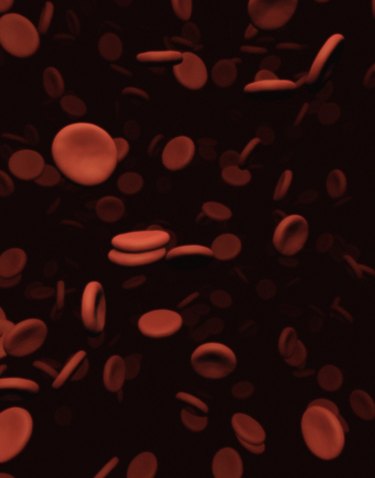
Low platelet count, also known as thrombocytopenia, is a deficiency of platelets in the blood. Platelets are cell fragments that stick together and control bleeding after an injury. When there are not enough platelets in the blood, several symptoms can occur that are related to the blood's inability to clot normally.

Bleeding Gums

When someone's platelet count is low, even minor cuts and irritation can cause unusual bleeding. If the gums are irritated due to periodontal disease or injured in the course of performing oral hygiene activities, they can bleed heavily. If this occurs, it should be reported to a doctor immediately. Use a soft toothbrush to prevent injury to the gums during routine oral care.

Easy Bruising

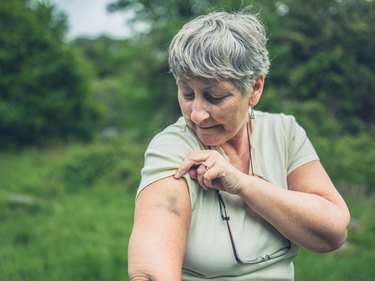
Bruising can occur very easily when there are not enough platelets in the blood. Very minor bumps can cause large, dark bruises to appear on the skin. Physicians from the University of Michigan Medical Center recommend avoiding strenuous activities that can cause bruising and other injuries. This will reduce the chances of developing serious bruises or bleeding that will not stop.

Blood in Urine and Stool

Bleeding from the urinary tract and digestive system can occur with or without an injury. If the bladder is irritated by infectious organisms, blood may appear in the urine. Blood can appear in the stool if there are polyps in the colon or if someone with a low platelet count strains too much during a bowel movement. According to Memorial Sloan-Kettering Cancer Center, patients with low platelet counts should avoid using enemas and suppositories and use stool softeners to prevent straining.

Petechiae

Petechiae are tiny red dots that appear under the surface of the skin. They occur when blood leaks from the capillaries into the skin. Petechiae can appear as the result of a low platelet count caused by chemotherapy drugs, autoimmune disorders, viral infections, infections of the blood and disorders that disrupt platelet production in the bone marrow. Avoid tight-fitting clothes and strenuous activities to prevent the development of petechiae under the skin.

Easy Bleeding

Bleeding can occur very easily when someone has a low platelet count. Nosebleeds can occur suddenly and may be difficult to stop. Even the smallest cut in the skin can cause bleeding that is difficult to control. As a result, it is necessary for people with low platelet counts to take precautions to prevent injuries. Avoid manicures, tattoos, body waxing, pedicures, electrolysis, contact sports, cycling, strenuous exercise and weight lifting to avoid uncontrollable bleeding from injuries.

Vaginal Bleeding

Heavy menstrual bleeding or vaginal spotting can occur due to a low platelet count. Physicians from the Abramson Cancer Center of the University of Pennsylvania recommend making lifestyle adjustments to prevent heavy vaginal bleeding associated with a low platelet count. Avoid using tampons and douches, which can damage the lining of the vagina. Use lubrication when needed for sexual intercourse but avoid intense thrusting, which can damage the vaginal lining.

References

Article reviewed by Kari Lucke Last updated on: Oct 9, 2009

Must see: Photo Galleries