

























































Effects of Long Term Alcohol Abuse on REM Sleep
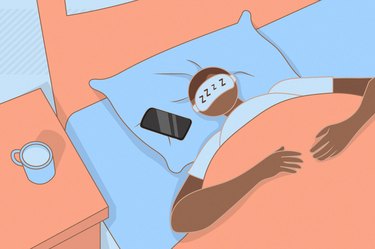
REM (rapid eye movement) sleep is one of the two main sleep stages. During REM sleep, which lasts for 70 to 90 minutes each night, the person actively dreams, according to the article "Sleeping Well: Understanding Sleep Needs, Cycles and Stages." However, when a person abuses alcohol, her REM sleep is suppressed, resulting in an uneven sleep. Over time, alcohol-suppressed REM sleep results in many health problems, such as cognitive decline, immune system problems and issues with hormone release and nervous system recovery.
Cognitive Decline
REM sleep plays an important role in mental activity. According to the article "Sleeping Well: Understanding Sleep Needs, Cycles and Stages" published on the HelpGuide.org website, authors Joanna Saisan, M.S.W., Tina de Benedictis, Ph.D., Suzanne Barston and Robert Segal, M.A., found that memories are consolidated during REM sleep. When REM sleep is altered by long-term alcohol abuse, the patient does not convert his short-term memories into long-term memories. Emotions and stress are also dealt with during REM sleep. Alcohol abusers can feel more stressed and emotional due to the lack of REM sleep. An article in the academic journal "Sleep" seconded this, saying that long-term alcohol abuse results in serious cognitive decline.
Immune System Suppression
Another effect of long-term alcohol abuse on REM sleep is the suppression of the patient's immune system. Without adequate sleep due to disrupted REM sleep, the immune system weakens and leaves the body susceptible to disease and infections, according to HelpGuide.org (see link in References).
Hormones and Nervous System
In addition to suppressing the immune system, disrupted REM from alcohol abuse can also result in problems with the patient's hormones and nervous system. During sleep, the body releases essential hormones, such as growth hormones that repair muscles. However, according to the article "Sleeping Well: Understanding Sleep Needs, Cycles and Stages," those hormones may not be released when REM sleep is irregular. Suppressed REM sleep can also impact neurons, which are responsible for voluntary actions (movement) and involuntary actions (breathing). Since neurons repair during sleep, altered REM sleep from alcohol abuse prevents optimal neuronal activity.


Member Comments
Be the first to post a comment.