






































Though it may be difficult, people who suffer from heart disease or excessively high cholesterol levels must make several lifestyle changes. One of the most important adjustments concerns the patient's diet. Several foods can worsen a patient's condition and increase the risk of complications, according to MayoClinic.com. Knowing the types of foods to avoid is vital for recovery and maintaining health.
Saturated Fats
One of the main things to avoid after a heart attack is food that contains a lot of saturated fat and trans fat, according to the American Heart Association. These types of fats accumulate in the bloodstream and can clog blood vessels, potentially leading to another heart attack.
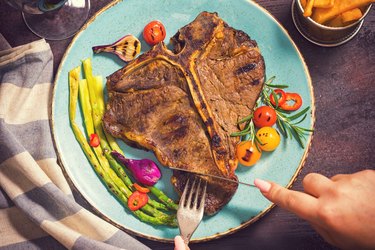
Foods such as high-fat beef, pork, lamb, poultry with skin, dairy products, fast food and baked goods all tend to be very high in saturated or trans fats. In general, avoid fried or fatty food. Dishes made with shortening, palm oil or coconut oil also contain unhealthy saturated fats. Make sure to read the labels of food products and check the level of fat content. Ideally, trans fats should make up less than 1 percent of total daily calories, while saturated fats should reach no higher than 7 percent.
Sugar and Sodium
Individuals with heart disease or high cholesterol should be very careful with their sodium and sugar consumption. These two substances can severely increase the risk of heart attack because they can greatly raise blood pressure levels, according to FamilyDoctor.org.
Patients often underestimate the sodium consumed in a daily diet because many foods have hidden levels of salt, a common source of sodium. Do not add salt to meals; instead, use herbs and other sodium-free seasonings. Avoid all high-sodium foods such as canned foods, salted pretzels and nuts, snack chips and crackers. Patients with heart disease risks should limit their salt consumption to less than 1,500 mg daily.
Because sugar contributes to heart disease and obesity, it should also be avoided. Candy, chocolate, baked desserts and other such items should be consumed only in limited quantities. Avoid drinking beverages with high sugar content, such as sodas and fruit drinks. Beware of foods that list corn syrup in their ingredients.
Cholesterol
As heart patients know, cholesterol is one of the most significant factors in heart disease. Similar to saturated fats, cholesterol hardens and clogs arteries. Patients should limit their daily cholesterol intake to less than 300 mg, according to the American Heart Association. Those who are taking cholesterol-lowering medication should maintain an intake of less than 200 mg daily.
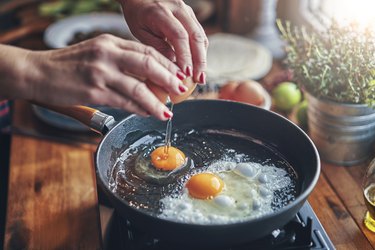
Minimize consumption of foods such as eggs, butter, cheese, yogurt, milk, beef, pork, chicken giblets and sausage. Organ meats such as liver, brains and kidneys should be avoided entirely.
Refined Flour
Unlike whole grains and wheat flour, which provide essential nutrients and fiber, refined white flour does not help patients lower cholesterol and blood pressure. Instead, refined white flour is converted into simple sugars by the body, leading to weight gain and over-production of insulin, according to the American Heart Association. This can cause or exacerbate problems with diabetes, heart disease and obesity.
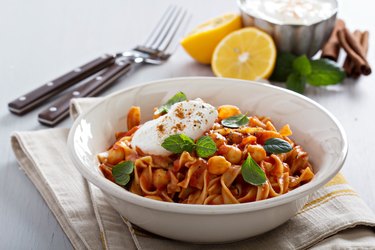
It is highly advisable to limit foods made from refined white flour, such as muffins, white pastas, egg noodles and muffins. Read ingredient labels carefully; products that do not explicitly state "100% whole wheat flour" may still contain refined flour.
Portion Control
Knowing how much to eat is just as important as knowing what foods to avoid, according to MayoClinic.com. A suitable serving size of meat is 2 to 3 oz., or about the size of a pack of playing cards. Pasta should be limited to about half a cup, or the size of a hockey puck. Serving sizes are usually defined using common measurements. Consult a physician to know how much makes a proper serving.
Know when to limit food intake. Do not overload on servings. Avoid going for second helpings and eating until stuffed. Restaurant portions are usually more than enough to serve a single person. Heart patients should always be aware of the quantity and quality of their food.


