






































































Phytochemicals in Fruit and Vegetables

Phytochemicals in Fruit and Vegetables
Photo Credit Fresh Vegetables, Fruits and other foodstuffs. image by Andrey Kiselev from Fotolia.com

Many fruits and vegetables have recently been identified as containing high levels of phytochemicals--compounds that can benefit health when consumed. Thousands of phytochemicals have been identified, and many more likely will be discovered, but only a few types have been studied or quantified. Ongoing research promises to reveal more about the activity and importance of both the phytochemicals already discovered and those not yet identified.

Definition

Phytochemicals are plant-derived chemicals that are not considered vitamins, minerals or macronutrients, but may nonetheless confer health benefits when consumed. Phytochemicals are generally considered non-essential, but recent studies have begun to shed light on the specific effects of these compounds in the body. Some phytochemicals act as antioxidants in the body, scavenging free radicals to prevent them from damaging cells. Other phytochemicals act more like hormones, taking direct action within cells. The methods of activity of many known phytochemicals are yet to be discovered.

Types

Carotenoids are a well-known type of phytochemical. Common carotenoids include beta-carotene, beta-cryptoxanthin, lutein, zeaxanthin, lycopene and alpha-carotene. Fruit and vegetables high in carotenoids tend to be red, orange or yellow in color because these compounds are brightly pigmented. Flavonoids are a large group of chemically-related phytochemicals that act on the cell-signaling pathways in the body. Glucosinolates, lignans and resveratrol are other common phytochemicals.

Sources

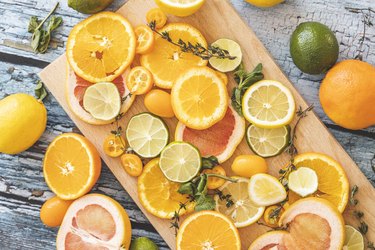
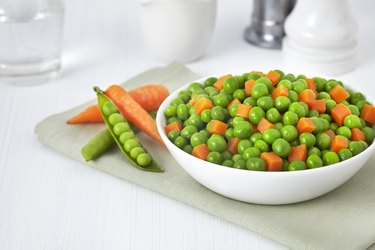
Fruit and vegetable sources of carotenoids include carrots, tomatoes, cantaloupe, papaya, tangerines, sweet potatoes and winter squash. Berries and grapes that are red, purple or blue in color, eggplant and red cabbage contain a type of flavonoid called anthocyanidin. Other flavonoids can be found in citrus fruits, apples, onions, broccoli, kale, celery and hot peppers. Glucosinolates and lignans occur in cruciferous vegetables such as broccoli, cabbage and cauliflower. Resveratrol is found in grapes, some berries and grape products such as juice or wine.

Health Benefits

The health effects of phytochemicals are as varied as those of vitamins and minerals, but most of these chemicals have not been extensively studied yet. However, preliminary and small-scale studies have found some evidence of potential health benefits from certain phytochemicals. Fruit and vegetables high in carotenoids may confer protection against cardiovascular disease and cancer. They may also aid in vision and help stave off age-related diseases of the eyes. Resveratrol may protect against heart disease, cancer, obesity and diseases of aging. Flavonoids seem to be cardioprotective and neuroprotective.

Recommendations

Just as with vitamins, minerals and macronutrients, the consumption of phytochemicals is probably of most benefit when the foods are consumed whole, not when these compounds are taken in supplement form. Because most phytochemicals have not yet been evaluated in large-scale clinical trials, many of the health claims regarding them require further study. Nonetheless, eating a wide variety of fruit and vegetables high in phytochemicals is probably a good idea to ensure optimal health.

References

Article reviewed by OmahaTyppo Last updated on: Oct 5, 2010

Must see: Photo Galleries

Member Comments