



























































What Causes Your Mouth & Tongue to Be Sore?

What Causes Your Mouth & Tongue to Be Sore?
Photo Credit mouth image by JASON WINTER from Fotolia.com

One area of your body that is constantly exposed to the external environment is your mouth and tongue. From breathing to speaking to eating, the mouth and tongue are in constant use, which can cause sores on these tissues that are both painful and irritating. When sores develop in your mouth, there can be several different causes.

Burns

Eating foods that are too hot is one way that your mouth and tongue can become sore. Hot food can damage the tissues of your mouth and tongue resulting in damage or blisters that create painful areas in the mouth.

Teeth

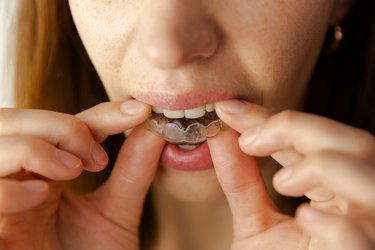
Your teeth can also cause soreness in the mouth. Chipped teeth can rub, irritate or cut the tissues of the mouth and tongue causing sores to form. Braces can also rub and cut the tissues of your mouth creating painful sores.

Biting

When eating too quickly or nervously biting the inside your cheeks or lips, your teeth can inadvertently break the tissue if your mouth or tongue causing a lingering sore.

Irritants

Certain irritants can also cause the tissues of your mouth to become sore. For example, chewing tobacco used on a regular basis can cause sores to form, states MedlinePlus, especially on the bottom lip and under the tongue where most chewers hold the tobacco. Other irritants can include citrus or sour candies.

Canker Sores

Canker sores are another common problem that can cause soreness in the mouth. Canker sores are a form of ulcers that create red sores on the mouth tissue often layered with a white coating. Canker sores can run in families and may be contributed to by poor nutrition, injuries to the mouth, stress and food allergies, states the American Academy of Family Physicians.

Other

Mouth and tongue soreness can also be rarely associated with more severe problems. For example, mouth sores can be caused by autoimmune disorders such as lupus, immune suppression from HIV/AIDS, or malignancies, such as oral cancers.

References

Article reviewed by Libby Swope Wiersema Last updated on: Oct 6, 2010

Must see: Photo Galleries