

















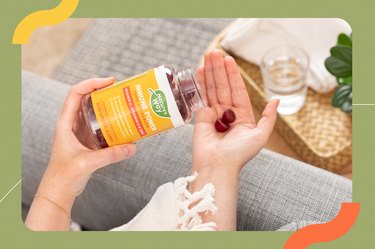




























Glycolysis, also known as glucose oxidation, involves your body's conversion of stored energy in the form of glycogen, into available energy in the form of glucose molecules. Several vitamins assist with the chemical reactions necessary for energy conversion and can be consumed through food sources or in supplement form. Consult your primary care doctor before adding vitamin supplements to your daily diet so as to avoid allergies, sensitivities or other adverse reactions.
Thiamin
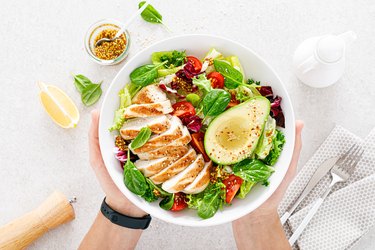
One of the critical B vitamins, thiamin plays a central role in your body's release of energy. "The Vitamin Book" explains that thiamin acts as a coenzyme, or catalyst, for glycolsis. Thiamin activates an enzyme called pyruvate dehydrogenase. Once activated, this enzyme helps release energy from the glucose stored in your body by splitting larger stored sugars into smaller ones. Your body will convert these smaller sugars into energy. Foods rich in thiamin, or vitamin B1, include whole-grain breads, cereals and pastas, nuts, potatoes, legumes, peas, kelp, poultry, eggs and fish.
Riboflavin
Also a valuable B vitamin, riboflavin contributes to the process of glycolysis. "The Health Professional's Guide to Dietary Supplements" explains that the heat-stable vitamin functions as a coenzyme, or catalyst, for a number of metabolic processes in your body, including glycolysis. Riboflavin, or vitamin B2, serves as a component in the chemical reactions that help your body to convert glucose into energy. Foods rich in riboflavin include dairy products, such as cottage cheese, milk, yogurt, cheese and eggs; and meats, such as beef liver and seafood. Other dietary sources of riboflavin include whole-grain breads and cereals, dark green vegetables and mushrooms.
Niacin
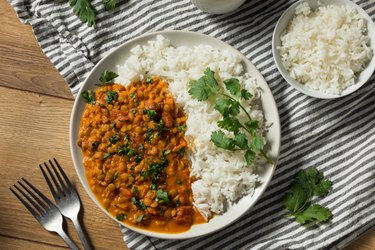
Another B vitamin, niacin helps your body produce the energy needed to fuel glycolysis. According to "Nutrition," niacin, or vitamin B3, assists your body with glycolysis during anaerobic conditions, such as during an intense workout. The chemical reactions in your body that result from niacin are necessary for your body to access the energy stored in glucose. Sources of niacin include beef, poultry and fish, as well as whole-grain breads, cereals and pastas. You can also find niacin in other carbohydrate-, protein- and fiber-rich foods, including mushrooms, nuts and seeds, legumes, potatoes, eggs and other dairy products.
References
- "The Vitamin Book"; Harold M. Silverman, Joseph A. Romano, Gary Elmer; 1999
- "The Complete Idiot's Guide to Total Nutrition"; Joy Bauer; 2005
- "Nutrition"; Paul Insel, Don Ross, Kimberley McMahon, Melissa Bernstein; 2010
- "The Health Professional's Guide to Dietary Supplements"; Shawn M. Talbott, Kerry Hughes; 2006


Member Comments