




































Opposing sides exist on the health of vegetarianism. One side argues that a vegetarian diet is healthier than eating meat. The other side conjectures that a vegetarian diet lacks necessary nutrients. Both sides have valid arguments and there is no definitive answer. More research is needed on this topic.
Types
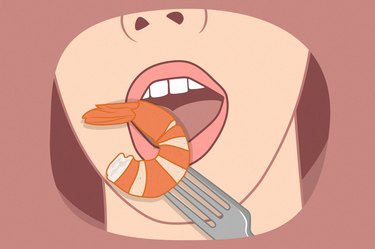
A number of subcategories exist within the vegetarian classification. Vegans eat no animal products, including meat, dairy, eggs and gelatin. Lacto-ovo vegetarians consume eggs and dairy, but no meat. Pesco-vegetarians include seafood in the ingredients they consume, along with dairy and eggs. The varying types of vegetarian have different risk levels for developing certain deficiencies.
Negatives of Meat
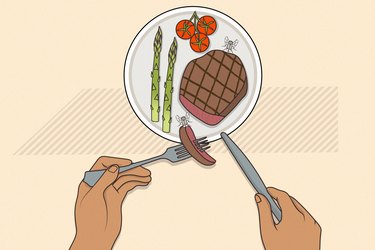
Proponents of vegetarianism argue that meat in the diet causes a number of diseases and health conditions. A meat-eating diet generally includes high amounts of saturated fat and cholesterol. Also, meat generally contains more foodborne illnesses, bacteria and pesticides that cannot be washed off. According to the website Ask Dr. Sears, the vegetarian diet decreases a person's risk for cardiovascular disease, obesity, diabetes and many types of cancer.
Positives of a Vegetarian Diet
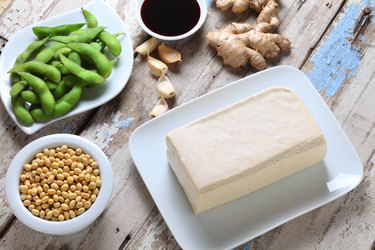
Ask Dr. Sears explains that the vegetarian diet usually includes high amounts of fiber, vitamins and minerals from fruit, vegetable, nut, bean and grain sources. This website points out that many vegetarians are very health-conscious, consuming healthy foods and engaging in a healthy lifestyle.
Nutrient Deficiencies
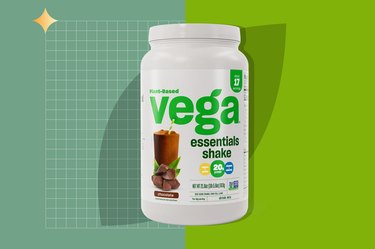
Vegetarians, especially vegans, may be at risk for nutrient deficiencies, especially iron and vitamin B-12. Proponents argue that supplements provide the nutrients they need. However, plant-based nutrients are not always as effective. The body does not absorb iron as easily from plant sources as it does from meat. Vitamin B-12 is not found naturally in non-meat sources, and added B-12 is not always as effective as natural. An article by the Colorado State University Extension points out that the vegetarian diet may also be low in omega-3 fatty acids. The best source of these is seafood.
Considerations
Vegans are most at risk for developing deficiencies, due to the fact that their diet includes no animal products of any kind. For this reason, lacto-ovo and pesco-vegetarian diets are often considered healthier choices, as they include more nutrients than a vegan diet and are generally lower in fat and cholesterol than meat diets. Ask Dr. Sears warns that avoiding meat but consuming junk food as part of a vegetarian diet will create a lack of health. This website also points out that it may not always be the meat in the diet that is the problem, but instead a lack of healthy foods in the diet.


Member Comments