










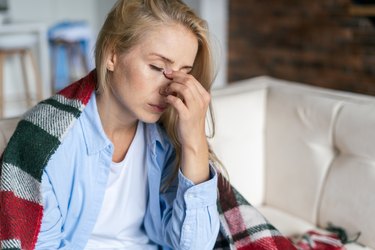

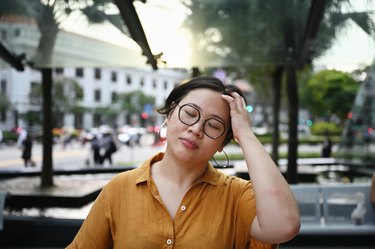
































If you feel sad and tired, have lost interest in activities, have significantly lost or gained weight, have trouble sleeping or are sleeping too much and have trouble thinking, concentrating and making decisions most of the day, nearly every day, you may be suffering from depression. Although some of these symptoms are also associated with iron deficiency, the Mayo Clinic advises that depression is a serious illness that should be properly diagnosed and that you generally can't treat depression on your own.
Inconclusive Link
The USDA Agricultural Research Service found no relationship between women's iron levels and depression in a 1999 study; however, a 2001 ARS study showed a link between low iron and shortened attention span in men. A 2009 study published by the "American Journal of Clinical Nutrition" found that performance and mood were improved by iron supplementation in female soldiers. Medline Plus rates iron supplements as "possibly effective" for unexplained fatigue in non-anemic women and for depression.
Iron Deficiency
The Mayo Clinic says that generally, proper self-care, including restful sleep, regular exercise and good nutrition can help people to cope with depression. Iron is an important nutrient mostly used in hemoglobin to deliver oxygen all around the body. Low iron levels can result in iron deficiency anemia, which may cause fatigue, irritability, lowered immunity and poor appetite. It can also cause restless leg syndrome, which can keep sufferers from getting a good night's sleep.
Food Sources of Iron
Women of childbearing age and children have higher iron requirements and eating iron-rich foods is particularly important for them, says the Mayo Clinic. Red meat, pork, poultry, seafood and eggs are high in iron, as are iron-fortified cereals, beans, peas, dark leafy greens, nuts and dried fruit. Iron is absorbed better from meat than from non-meat sources. Vitamin C also improves iron absorption and is found in citrus juices and fruits and vegetables.
Further Considerations
According to the Mayo Clinic, consumption of iron-rich foods is helpful for preventing but usually not sufficient for treating iron deficiency anemia. Once anemia develops, supplements are needed replenish iron stores. Non-dietary causes of iron deficiency anemia include blood loss such as heavy menstruation or gastrointestinal bleeding and an inability to absorb iron due to intestinal disorders such as Crohn's or celiac disease; these need to be correctly diagnosed and treated accordingly.
Warning
Medline Plus rates iron supplements as "likely safe" when used appropriately, and warns that high doses of iron are unsafe especially for children. According to the Linus Pauling Institute, LPI, diseases that have been linked to excess iron include cardiovascular disease, liver cancer, type 2 diabetes and neurodegenerative disease. The LPI recommends that adult men and postmenopausal women take multivitamins without iron, and that adults over 65 do not take iron supplements unless diagnosed with iron deficiency.
References
- Mayo Clinic: Depression
- Mayo Clinic: Iron deficiency anemia
- USDA Agricultural Research Service: Women's Depression Not Linked to Low Iron
- USDA Agricultural Research Service: Food for Thought: Studies Probe Role of Minerals in Brain Function
- Journal of American Clinical Nutrition: Randomized, double-blind, placebo-controlled trial of iron supplementation in female soldiers during military training: effects on iron status, physical performance, and mood
- Medline Plus: Iron


