






























The dietary forms of the amino acids methionine and cysteine both help form a compound that converts into the antioxidant glutathione. Antioxidants fight environmental toxins, increase "good cholesterol" and boost the body's immune system, notes the University of Maryland Medical Center, or UMMC. According to the nonprofit website World's Healthiest Foods, a lack of these important amino acids often shows itself in the form of frequent bouts of the common cold. Look for foods high in the frequently paired amino acids methionine and cysteine.
Poultry
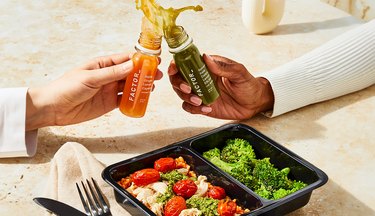
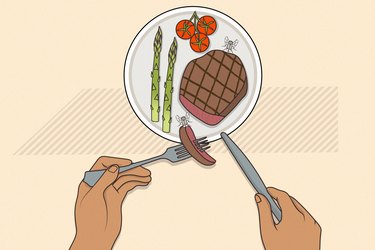
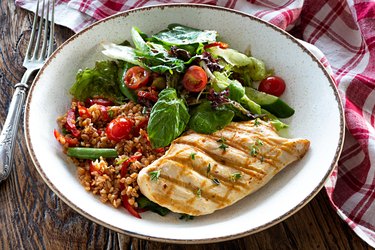
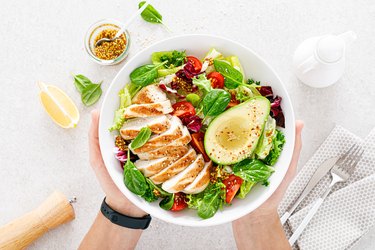
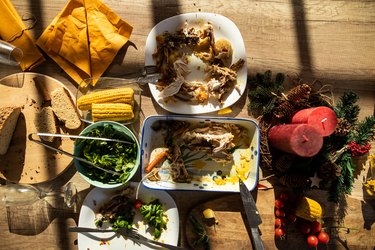
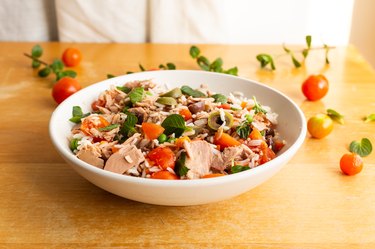
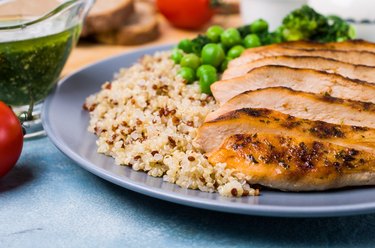
Just one 4-oz serving of roasted chicken breast provides you with all of the methionine and cysteine you need for the day. Chicken is rich in these two amino acids, providing more than 100 percent of he Recommended Daily Allowance, or RDA, of both cysteine and methionine. Turkey is also an excellent source of both amino acids, contributing more than 100 percent RDA methionine and 85 percent cysteine in a 4-oz serving of roast turkey breast. Both poultry types also provide lean protein, vitamin B6, selenium and phosphorus. A chicken or turkey serving uses up about one-third of your day's dietary cholesterol allowance, so choose healthy grains and vegetables to accompany the meal rather than rich sauces and other fatty foods. Look for free-range, organically fed turkey and chicken.
Eggs
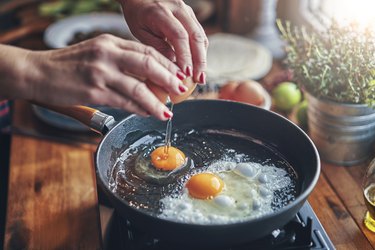
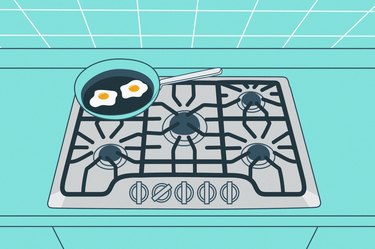
Eggs, particularly the yolks, provide 32 percent of the RDA of cysteine and 23 percent of the RDA of methionine. Eggs are also rich in B vitamins, selenium and iron, as well as protein, phosphorus and vitamin D. If cholesterol is a concern, choose another food source for cysteine and methionine because they are contained in the cholesterol-rich yolks.
Oats
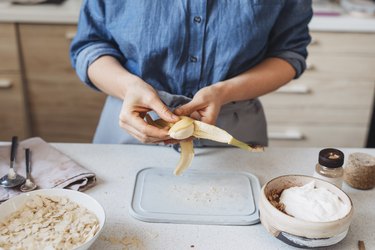
Oats contribute 37 percent of the RDA of cysteine and 27 percent of the RDA of methionine. Oats contain high amounts of the minerals selenium and manganese. The grains additionally provide dietary fiber, vitamin B1, protein, phosphorus and magnesium.
Yogurt
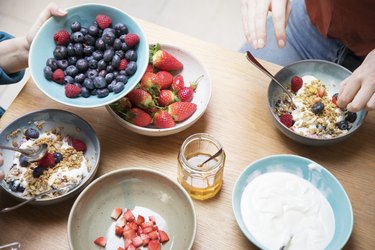
A cup of plain, low-fat yogurt provides you with 27 percent of the RDA of cysteine and 47 percent of the RDA of methionine. It also contributes protein and a wealth of important minerals and vitamins, including calcium, phosphorus, iodine, zinc, potassium and vitamins B2 and B12.
Broccoli
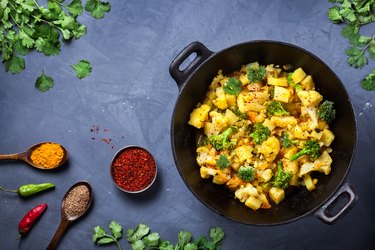
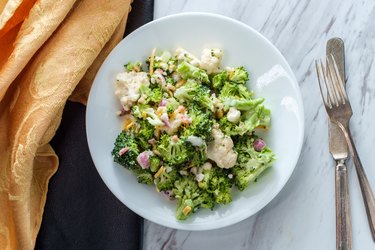
Bursting with antioxidants, lightly steamed broccoli provides 7.3 percent of the RDA of cysteine and 6.8 percent of the RDA of methionine per 1-cup serving. The low-calorie, low-fat vegetable contributes more than twice of the recommended daily intake of vitamin C and biotin; 45 percent of the RDA of vitamin A; and at least 10 percent of the RDA of riboflavin, vitamin B6, folate, manganese, phosphorus and potassium.
Additional Foods
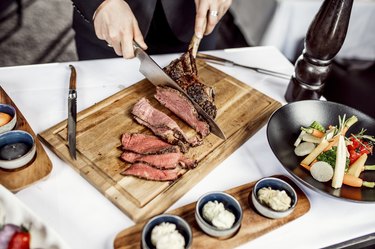
Other foods singled out by World's Healthiest Foods as a good source of cysteine and methionine include wheat germ, red peppers, onions, garlic, Brussels sprouts and broccoli. These foods boost the amino acid content by combining two or more of the vegetables or sprinkling wheat germ on yogurt or vegetables. The UMMC also notes that high-protein foods pork, sausage, duck, ricotta cheese and cottage cheese are other good dietary sources of the nutrients.


Member Comments