









































The Agency for Toxic Substances and Disease Registry indicates that nitrites are ions that occur naturally as a part of the nitrogen cycle. Nitrites can convert to nitrates and vice versa, and they are found in foods in either of these states. There has been much controversy regarding health dangers of nitrites, but most people are exposed to them in the foods they eat.
Vegetables
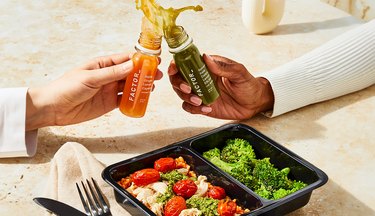
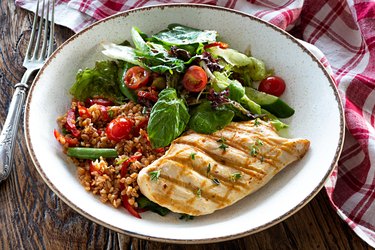
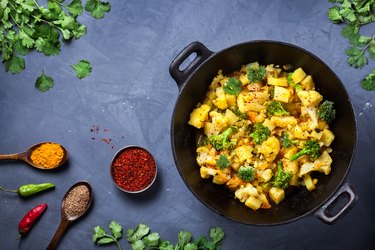
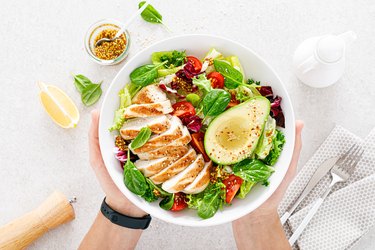
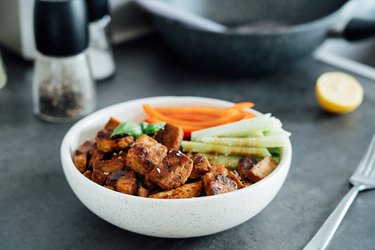
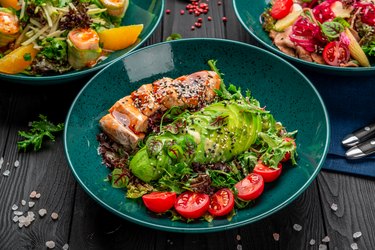
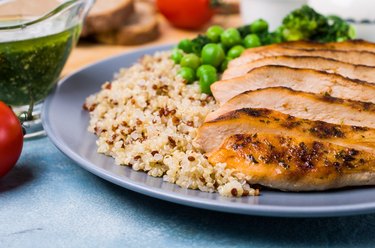
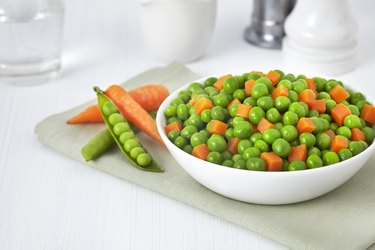
According to the ATSDR, vegetable consumption accounts for more than 70 percent of nitrites in the human diet. Nitrites occur naturally in a variety of vegetables, including broccoli, cauliflower, spinach and root vegetables. According to Argonne National Library, bacteria convert nitrogen to nitrate. Nitrates are taken up by plants, and animals and humans are exposed to the nitrates as they eat the plants. Interconversion to nitrites can occur when nitrates enter the digestive tract. Nitrite levels in vegetables increase when they are farmed in soil using nitrate or nitrite-rich fertilizer.
Processed Meat
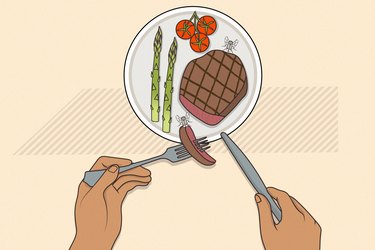
Nitrites are used in meats such as sausage, hot dogs and cured bacon as preservatives and color enhancers. Nitrites protect from growth of bacteria and give meat a reddish pink hue during the curing process. The University of Minnesota Extension states that the United States Department of Agriculture allows 1 oz. of nitrite per 100 lbs. of meat. Controversy with nitrites in meats relates to nitrosamines, which are breakdown products of nitrites. Nitrosamines are known carcinogens in animal studies, but, according to University of Minnesota, experts have not yet determined the levels at which nitrosamines form during human consumption and what levels of nitrosamines are dangerous.
Drinking Water
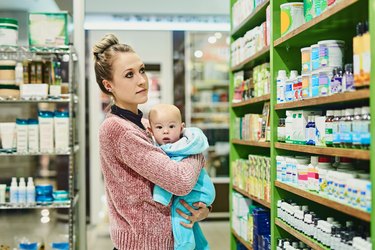
Drinking water accounts for about 21 percent of nitrite exposure in the average diet. Fertilizers containing nitrogen may contaminate shallow sources of water such as private wells. According to the ATSDR, the Environmental Protection Agency maintains a standard nitrate allowance of 10 parts per million, but more than 8,000 wells nationwide exceed this level. Vermont Department of Health recognizes blue baby syndrome as a risk when nitrite-contaminated water is used with formula or baby food. Nitrites can react with the body's hemoglobin, and affected infants develop a blue color because their blood is less able to carry oxygen. Babies younger than 6-months-old are more susceptible to blue baby syndrome, and Vermont Department of Health indicates that it does not affect older children, adults or breast-fed infants.


Member Comments