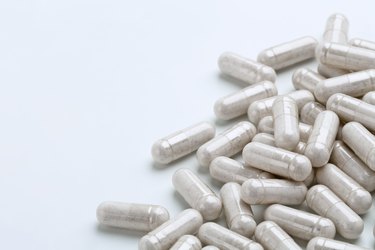
Digestive enzymes are known for their ability to relieve bloating. But have you ever thought about the connection between digestive enzymes and weight loss or weight gain? Despite their health benefits, these supplements might actually cause you to pack on pounds.
Tip
While digestive enzymes are unlikely to cause weight loss, some diet pills may inhibit certain digestive enzymes that break down fats and carbs, which in turn, may reduce energy absorption and help you get leaner. These products, though, carry serious side effects, that may lead to poor digestive health.
Video of the Day
What Are Digestive Enzymes?
You follow a balanced diet, stick to a meal schedule and eat whole foods, from fruits and veggies to fatty fish. Yet, you're not feeling well. Perhaps you're lacking energy or experiencing bloating, nausea, fatigue and lethargy. The truth is that a healthy diet doesn't mean much if your body can't digest food properly.
Video of the Day
That's where digestive enzymes come in handy. These supplements are designed to help your body break down and process dietary nutrients, especially protein, carbs and fats. According to the specialists at Harvard Health Publishing, digestive enzymes have proven benefits but are often misused.
Depending on your needs, you may opt for prescription enzymes or over-the-counter (OTC) formulas. Prescription medications are regulated by the FDA, so they're more likely to produce the desired results. In general, they're made from the pancreas of pigs. OTC supplements, on the other hand, don't need FDA approval and may or may not work; these usually contain enzymes derived from fruits, yeast, animal pancreases and other sources.
A February 2016 review posted in Current Drug Metabolism assessed the role of digestive enzymes in managing gastrointestinal disorders. As the researchers point out, plant-based and microbe-derived enzyme supplements are not inferior to those derived from animal organs. These products are widely used in the treatment of diabetes, chronic pancreatitis and lactose intolerance. They may also benefit those with celiac disease.
According to the above review, supplements derived from pork organs boast 30 to 50 percent higher enzymatic activity levels than those made from beef organs. In general, their quality and efficacy varies from one brand to another and depends largely on the ingredients used. Some enzymes help your body break down fat and lipids, while others assist in the digestion of carbs such as lactose.
These supplements show promising results in the treatment of bile duct diseases, indigestion and malabsorption disorders. However, most studies have been conducted on animals or in lab-controlled environments, so their findings require further investigation.
Why Are Enzymes Important?
Did you know that your body produces digestive enzymes on its own? After you eat, these proteins help break down food molecules into fatty acids, amino acids, sugars and other components. They are produced by the small intestine, pancreas and salivary glands and work with other substances in your body to facilitate food digestion.
Several types of digestive enzymes exist and each has a distinctive role. The main ones include:
- Lipase: a naturally occurring digestive enzyme that breaks down lipids (fats) into fatty acids and glycerol
- Protease: breaks down protein into amino acids
- Amylase: breaks down carbs and starches into sugars
- Lactase: breaks down lactose, a natural sugar in milk and dairy
- Sucrase: breaks down sugar into glucose and fructose
- Maltase: breaks down malt sugar into glucose
These proteins support digestive health and ensure maximum nutrient absorption. Without them, your body wouldn't be able to break down large food molecules into smaller components that can be used for energy and various biochemical processes.
Lactose intolerance, for example, is common in people who are deficient in lactase, an enzyme that breaks down this milk sugar. That's why they may experience bloating, gas and changes in bowel habits after consuming milk and dairy.
Certain health conditions and lifestyle habits can affect the body's ability to produce enzymes. Endocrine disorders, gallstones, nutrient deficiencies, smoking, heavy drinks and inflammation are just a few to mention. Digestive enzyme insufficiency may cause digestive distress, diarrhea, bloating, heaviness, constipation and gut flora imbalances, among other symptoms.
Digestive Enzymes and Weight Loss
Clinical evidence indicates a potential link between digestive enzymes and body weight. As mentioned, these proteins help your stomach break down dietary nutrients. Basically, they improve your body's ability to digest food and get the nutrients needed to function optimally. This also means that certain enzymes, such as lipase and amylase, allow for more efficient absorption of fats and sugars into the body.
According to a multi-cited review published in Diabetes, Metabolic Syndrome and Obesity: Targets and Therapy in May 2010, certain enzymes responsible for macronutrient digestion may promote obesity. Its authors discussed the effects of lipase and carbohydrate digestion inhibitors, a class of drugs that inhibit lipase and amylase. These medications are designed for weight loss, but more research is needed to confirm their efficacy.
Read more: The Most Effective Diet Pills
For example, drugs containing Chinese tea saponins, Aesculus turbinata escins or green tea catechins suppress the production of lipase and/or amylase. As a result, they increase fat excretion, reduce blood sugar, triglycerides and cholesterol levels and prevent weight gain. Note, though, that most studies cited in the review were conducted on animals.
Lipase, for instance, breaks down dietary fats. As the above review points out, one way to reduce fat absorption is to suppress this enzyme and make dietary changes. Each gram of fat provides 9 calories, meaning that you can cut out 300 calories just by inhibiting the absorption of 30 grams of fat per day. That's a deficit of about 2,100 calories per week.
One pound of fat equals 3,500 calories. If you clean up your diet and cut 2,100 calories, you can lose approximately one pound per week. Furthermore, you may experience a reduction in blood lipids, such as cholesterol and triglycerides.
Amylase inhibitors have a similar mechanism of action. These drugs suppress the digestion and absorption of carbohydrates, leading to reduced blood sugar levels and weight loss. The downside is that you may feel bloated and gassy due to the amount of undigested carbs in your GI tract.
Therefore, suppressing certain digestive enzymes may help you slim down. Unfortunately, it may also cause serious side effects. These proteins keep your digestive system running smoothly. Lipase inhibitors and other similar drugs may affect digestion, which in turn, can lead to nutrient deficiencies, gut flora imbalances, abdominal pain and poor overall health.
Based on these findings, it's fair to say that taking digestive enzymes won't help you get leaner. However, these supplements can boost digestive function and maximize nutrient absorption, among other benefits. They are particularly beneficial for people with digestive disorders, as mentioned earlier.
Warning
The popular drug Orlistat (Alli/Xenical), for example, is a lipase inhibitor. As MedlinePlus points out, this medication affects the body's ability to absorb fat-soluble vitamins. It may cause loose or fatty stools, oily spotting on underwear, nausea, gas, jaundice, cramping, diarrhea, headaches, rectal pain, difficulty breathing, extreme fatigue and other adverse reactions.
There are safer ways to achieve your target weight. No diet pill can replace good nutrition and regular exercise. Your body needs digestive enzymes to get energy from food. Suppressing these enzymes can put your health at risk.
- Harvard Health Publishing: "Gut Reaction: A Limited Role for Digestive Enzyme Supplements"
- Food and Drug Administration: "Updated Questions and Answers for Healthcare Professionals and the Public: Use an Approved Pancreatic Enzyme Product (PEP)"
- NCBI: Current Drug Metabolism: "Digestive Enzyme Supplementation in Gastrointestinal Diseases"
- Science Learning Hub: "Digestive Enzymes"
- Mayo Clinic: "Lactose Intolerance"
- Clinical Education: "Digestive Enzymes"
- NCBI: Diabetes, Metabolic Syndrome and Obesity: Targets and Therapy: "The Role of Lipid and Carbohydrate Digestive Enzyme Inhibitors in the Management of Obesity: A Review of Current and Emerging Therapeutic Agents"
- Mayo Clinic: "Counting Calories: Get Back to Weight-Loss Basics"
- MedlinePlus: "Orlistat - Side Effects"