























































In trace amounts, the mineral zinc is essential to human health at all stages of the life cycle. The human body contains an estimated 2g total zinc, mostly in skeletal muscle. Because the body does not have any way to store zinc, it must be replenished regularly through food. If you are pregnant, you will need to take in enough zinc for both yourself and your baby.
Functions
Zinc is a vital part of over 300 enzymes that help the body make or break down carbohydrates, lipids or fats, proteins and nucleic acids, the compounds necessary to genes and their expression. Zinc gives structural integrity to all of the body's cells and organs. It is critical to immune system functioning and wound healing and to the senses of taste and smell. It is needed for all these purposes not simply after birth, but well before.
Requirements
The National Institutes of Health publishes guidelines for daily zinc requirements at every stage of life. Pregnant girls and women have higher requirements than non-pregnant. Usually, expectant teens need a total of 13mg of zinc every day, and expectant adult women need 11mg. If you breastfeed your baby, you will need even more zinc after the delivery--14mg if you are a teen and 12mg if you are an adult. Ask your health care provider about these guidelines.
Sources
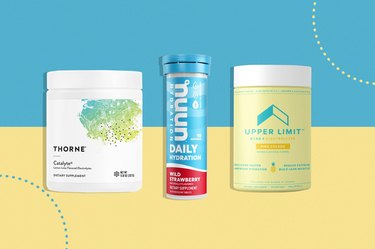
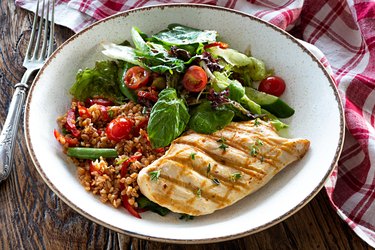
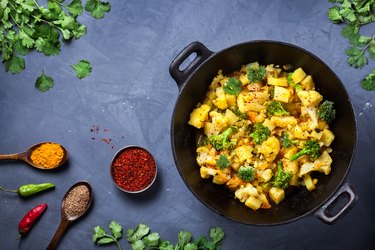
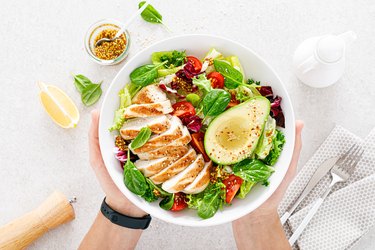
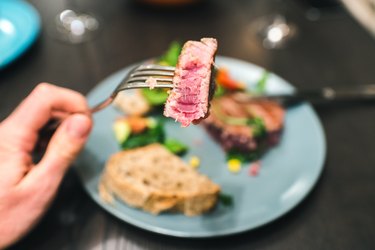
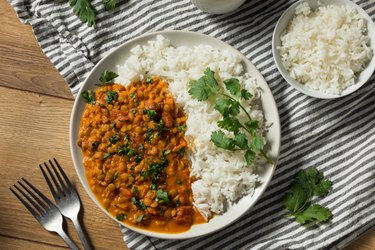
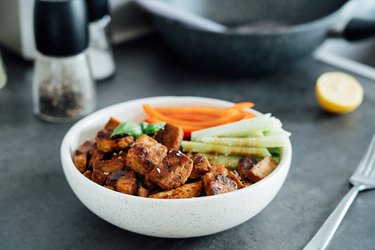
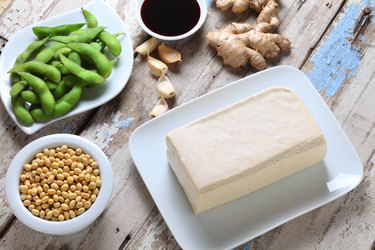
Some prenatal vitamins, other supplements and "natural cold remedy" lozenges contain zinc. In the typical U.S. diet, the foods with the most zinc are red meat, poultry and seafoods like oysters. However, many foods other than animal flesh are good sources of zinc, including dairy products like milk and certain cheeses; beans, especially chickpeas; yeast; nuts and seeds, especially pumpkin seeds, cashews and almonds; and whole-grain and fortified cereals. Zinc from plant sources is less available to the body. However, with good meal planning, vegetarians and vegans can still get enough in their diets.
Excess
Too much zinc is toxic, especially to the gastrointestinal system. According to the National Institutes of Health, pregnant teens should not take in more than 34mg per day, and pregnant adults no more than 40mg. Sometimes people receiving zinc under a doctor's supervision can safely take more.
Deficiency
Especially but not exclusively in developing countries, too little zinc can lead to premature births and prolonged labor, which in turn causes maternal and fetal injuries and deaths. Zinc deficiency may abnormally slow the growth of the fetus as well as that of the already born child. When women in poorer countries have adequate amounts of zinc during pregnancy, their children later appear to better resist diarrhea from infectious diseases, a major cause of child mortality in developing nations.
References
- International Zinc Nutrition Consultative Group: Advocacy Brochure
- National Institutes of Health: Office of Dietary Supplements: Zinc
- Reuters Health: Zinc in Pregnancy Combats Children's Diarrhea
- United Nations Food and Agriculture Organization Human Vitamin and Mineral Requirements: Chapter 16: Zinc
- Vegetarian Society: Information Sheet: Zinc


Member Comments