






























































Acid Reflux Treatment for Singers

Acid Reflux Treatment for Singers
Photo Credit singing for love image by Galina Barskaya from Fotolia.com

According to the NYU Medical Center, a singer's voice is affected by many things, including acid reflux. Repeated acid exposure can inflame and damage the vocal cords, preventing them from working properly. As a result, the singing voice is affected. Because this condition can be particularly bothersome to a singer, it is important to understand why it occurs and how it can be treated.

Symptoms

The Mayo Clinic says that acid reflux is a sensation of burning in your chest that can spread up into your throat and vocal cords. It can be accompanied by a bitter taste in the mouth, a cough, hoarse throat, pain in the chest, swallowing difficulty, the feeling of a lump in the throat and regurgitation of liquid or food. Acid reflux can occur occasionally or more than two times a week -- a condition that is called gastroesophageal reflux disease, or GERD.

Causes

According to the Medline Plus website, acid reflux occurs when stomach acid and food travel back up the esophagus. This condition develops when the sphincter muscle at the bottom of the esophagus does not close properly, allowing the stomach's contents to leak back up. This muscle can weaken and malfunction due to obesity, pregnancy, a hernia, alcohol abuse and smoking. The acidic backwash can irritate the lining of the esophagus and throat, producing the symptoms of acid reflux.

Treatment

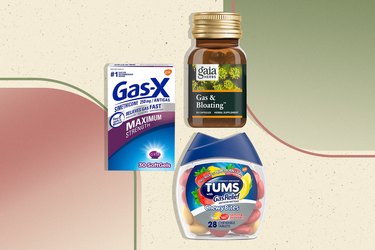
Many over-the-counter and prescription-strength medications can be used to treat acid reflux. These include antacids, h-2 receptor blockers and proton pump inhibitors. Antacids work quickly to neutralize the acid in the stomach and stop symptoms. H-2 receptor blockers do not work as fast as antacids but can effectively inhibit acid and provide relief. Proton pump inhibitors not only block the production of acid but allow time for the esophagus and surrounding tissue to heal.

Prevention

Acid reflux can be triggered by certain habits and situations. To prevent it from occurring, do not exercise or lie down right after eating. Refrain from wearing tight belts or garments that cinch your waist. Break bad habits such as smoking and overeating, which can both contribute to acid reflux. Raise the head of your bed by approximately 6 inches, using a body wedge or by placing wooden blocks beneath your bedposts.

Warnings

The Mayo Clinic says that acid reflux must not be left untreated. Over time, the acid can damage the esophagus, causing scars to form. These scars can narrow the esophageal pathway, resulting in difficult eating and swallowing. Acid can also cause painful ulcers and open sores to develop inside the esophagus. In extreme cases, damage to the esophagus and the surrounding tissues can result in esophageal cancer.

References

Article reviewed by Eric Lochridge Last updated on: Oct 15, 2010

Must see: Photo Galleries