

































































How to Treat Psoriasis With Diet

Psoriasis affects about five percent of all Americans. The most common form is called plaque psoriasis, which causes patchy scales to develop all over a person's body, but mostly on the elbows. The noncontagious immune condition can be treated with topical creams or medications to reduce or eliminate symptoms. A healthy diet is essential to reducing the effects of psoriasis and making people with this condition feel a lot better. The National Psoriasis Foundation recommends that people with psoriasis control their weight, quit smoking and limit alcohol use.

Step 1

Enjoy a variety of healthy foods and eat regularly to maintain physical and psychological health.

Step 2

Watch food portions. Reduce fat and cholesterol. Use sugar and salt in moderation. Obesity is associated with flare-ups of psoriasis, so try to maintain a healthy weight, advises Dr. Jessica Wu, a dermatologist with Everyday Health. Psoriasis has been linked to higher risk factors for hypertension and high cholesterol, contributors to heart disease.

Step 3

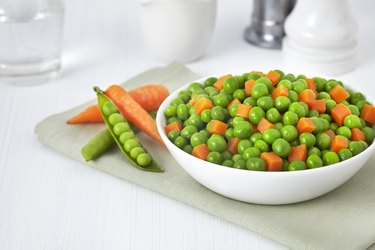
Get plenty of fruits and vegetables. Eat lots of green leafy vegetables including broccoli, cabbage and Brussels sprouts. These vegetables supply folate, which is the natural form of folic acid.

Step 4

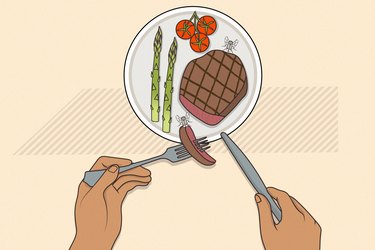
Stay away from pork products. Some patients have noticed flare-ups caused by pork, but you should stop eating anything you find that causes flare-ups, says Dr. Steven Feldman, professor of dermatology, pathology and public health sciences at the Wake Forest University School of Medicine in Winston Salem, North Carolina.

Step 5

Avoid other common triggers, including colas, red wine, red meat, MSG, chili, hot spices, junk foods and tomatoes. Some patients report that berries, including strawberries, trigger the disorder.

Step 6

Drink at least two liters of water a day. Water helps you maintain your healthy weight and will stave off hunger.

Step 7

Consume foods fortified with folic acid. This helps to correct a deficiency of the vitamin. Deficiencies have been found in people with psoriasis.

Step 8

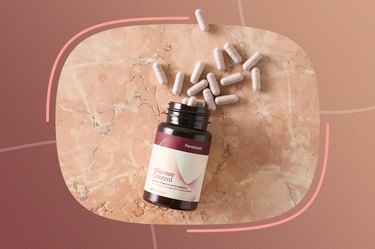
Take multivitamins and zinc tablets, which may help reduce psoriasis.

Step 9

Have fish rich in omega-3 fatty acids. These include salmon, sardines and mackerel. It is believed people who eat these foods are able to reduce the use of steroidal creams without experience a decline in their condition, according to Womenfitness.net.

Step 10

Eat Brazil nuts, a rich source of selenium, which helps produce the enzyme glutathione peroxidase. The enzyme stops the formation of chemicals within the body that can worsen psoriasis.

Step 11

Keep your diet rich in fiber, which is essential in maintaining dietary health.

References

Article reviewed by MER Last updated on: Apr 26, 2011

Must see: Photo Galleries