













































Gluten-Free Breads & Pastas

Gluten-Free Breads & Pastas
Photo Credit Chris Cole/Digital Vision/Getty Images

Gluten refers to a group of plant proteins that cause an autoimmune disorder known as celiac disease, or CD. According to the National Foundation for Celiac Awareness, people with CD must avoid foods made from the gliadin protein in wheat, hordein in barley and secalin in rye. While most commercial pasta and breads products are made from one of these forbidden grains, there are gluten-free alternatives.

Effects

When someone with CD eats pasta or bread containing wheat, barley or rye, his body identifies the gluten protein as a foreign body and attacks it. During this autoimmune response, there can be significant damage to the villi, small finger-like projections inside the small intestine that absorb vital nutrients from the gut. Repeated attacks leave the villi unable to perform their job, and the individual can become severely malnourished. Unless he sticks to a gluten-free diet, the individual is at risk for cancer, osteoporosis, infertility, diabetes and other autoimmune diseases, states NFCA.

Forbidden Ingredients

People with gluten sensitivity have to avoid breads and pastas made from all gluten-laden flours, including wheat, barley, rye, durum, emmer, farina, semolina, spelt, einkorn and bromated flours. The National Digestive Diseases Information Clearinghouse recommends that patients with CD avoid pastas and breads that incorporate wheat starch, wheat bran, wheat germ, cracked wheat or hydrolyzed wheat protein. Triticale, a flour that combines wheat and rye, is also high in gluten.

Substitutes

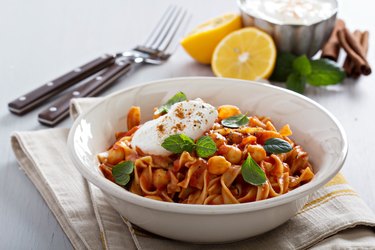
Individuals with CD can safely eat pastas and breads made with gluten-free grains and starches rather those that contain wheat, barley or rye. The Celiac Sprue Association lists gluten-free varieties like arrowroot, amaranth, almond, coconut, corn, dasheen, peanut, besan, chickpea, rice or brown rice flour. Even when the main ingredient is gluten-free, it's important to read the label carefully or contact the manufacturer to ensure gluten wasn't added during the manufacturing process, says MayoClinic.com.

Tips

NFCA offers a comprehensive website with an up-to-date listing of gluten-free vendors, products, markets and online sources. The online grain and flour glossary published by the Celiac Sprue Association classifies pasta and bread ingredients as being consistent with a gluten-free diet, questionable or not gluten-free. CSA also publishes flour recipes that home cooks can use as the basis for gluten-free pasta and bread.

Warnings

Even when pasta or bread is gluten-free, it can be contaminated by gluten sources in the home kitchen. Avoid cross contamination by cleaning food preparation and baking areas carefully and serve gluten-free menu items on a separate plate from foods containing gluten, MayoClinic.com recommends.

References

Article reviewed by Elizabeth Ahders Last updated on: Oct 19, 2010

Must see: Photo Galleries