

































































Weight Loss and Joint Pain

Weight Loss and Joint Pain
Photo Credit Jupiterimages/Polka Dot/Getty Images

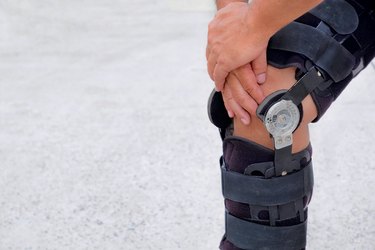
Carrying just 10 pounds of extra weight adds an extra 30 to 60 pounds of force on your knee with each step, according to the Johns Hopkins Arthritis Center. Sixty-four percent of Americans are overweight or obese, putting them at risk for joint pain and osteoarthritis, which is characterized by joint inflammation, pain and stiffness. However, there's evidence that losing weight can relieve joint pain and inflammation and reduce your risk of developing osteoarthritis, or OA.

Effects

The additional force your knee has to bear when you're overweight can cause cartilage in your knee to break down more quickly. When the cartilage becomes damaged, inflammation and pain set in. Being overweight also has long-term impact, making men five times more likely to have a knee replacement due to OA and women four times more likely, according to the Arthritis Foundation. However, it's not just your knees that are at risk; being overweight is also linked to hip pain and osteoarthritis in men. Furthermore, it puts you at risk for metatarsalgia, which is pain and inflammation in the joints and bones of the ball of the foot.

Benefits of Weight Loss

Losing weight reduces stress on your joints and helps to relieve pain naturally. For every 11 pounds a woman loses, her risk of knee OA can fall by 50 percent, states the Arthritis Foundation. Obese men who lose enough weight to fall into the overweight category decrease their risk of knee OA by 21.5 percent. To manage your joint pain, set a weight loss goal of 10 percent to start with. Ideally, you should lose that weight at a rate of one to two pounds per week.

Exercising

Regular exercise is an important part of losing weight, especially if you have joint pain. Exercises using weight or resistance strengthen the muscles and tendons that support your joints, while flexibility or stretching exercises improve range of motion. However, if you've been inactive for a while and you're overweight, seek advice from your doctor or physical therapist on how to do exercises safely. To get moving right away, don a pair of good walking shoes and go for a 15 to 20 minute walk at a moderate pace.

Medication

Weight loss won't happen overnight, so you may need other ways to treat joint pain in the meantime. Over-the-counter drugs such as ibuprofen and aspirin help relieve both inflammation and pain, while acetaminophen will tackle pain only. However, these medications can cause side effects such as nausea, stomach upset and bleeding, so ask your doctor or pharmacist for advice and take them only as instructed.

Supplements

If you need extra help controlling your weight and joint pain, consider taking natural supplements. For instance, fish oil, glucosamine and chondroitin sulfate have all been shown to improve joint pain. Supplements such as carbohydrate blockers have been shown to promote weight loss with no side effects, according to a study published in "Alternative Therapies."

References

Article reviewed by Brad Walters Last updated on: Oct 20, 2010

Must see: Photo Galleries