






































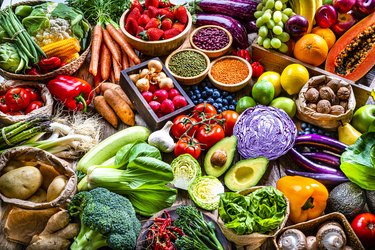


The foods you eat play a key role in keeping your immune system strong. Nutrients such as vitamins C, D and folic acid can help to keep your white blood cell count at healthy levels, according to Dr. William Sears on askdrsears.com. A healthy diet also allows your white blood cells to function optimally. If you want to to give yourself a better defense against flus and colds, healthy eating can strengthen your immune system.
Background
White blood cells play a key role in your immune system's ability to keep you healthy. Without proper levels of white blood cells, your immune system is less able to fight off harmful bacteria and viruses. According to Mayoclinic.com, doctors define a low white blood cell count as less than 3,500 cells per microlitre. Some people experience low white blood cell counts due to certain diseases, autoimmune disorders and cancers that attack the bone marrow.
Folic Acid
Consuming enough folic acid can raise your white blood cell count. According to the University of Michigan Health System, your body uses folic acid to create new white blood cells. The Office of Dietary Supplements notes that the average person requires 400 micrograms of folic acid each day. Dark green vegetables such as spinach and asparagus contain high amounts of folic acid.
Vitamin C
Vitamin C helps your body to increase production of white blood cells as well. The average person requires at least 200 milligrams of vitamin C each day. You can get high amounts of vitamin C from citrus fruits such as oranges and grapefruit. Dr. Sears also suggests adding foods and drinks that are fortified with vitamin C to your diet.
Vitamin D
Foods high in D can boost your white blood cells by slowing down the rate at which they die off. In a November 2007 study in the "Journal of Clinical Nutrition," J. Brent Richards and colleagues reported that vitamin D may protect white blood cells from damage when they replicate. Richards et al. showed that the white blood cells in women with high concentrations of vitamin D had longer protective strands on their chromosomes that minimize damage during replication. The Office of Dietary Supplements recommends yogurt and orange juice as sources of vitamin D.
Considerations
Some foods may actually lower your white blood cell count. People who adhere to a Mediterranean diet that focuses on fish, oils and grains tend to have a lower white blood cell count, according to Dr. Christina Chrysohoou and colleagues, in a July 2004 article in the "Journal of the American College of Cardiology." However, Chrysoboou and colleagues note that the low white blood cell levels among people in their study do not necessarily reflect poor immune function. Rather, the high amounts of monosaturated fat in the fish and oils consumed in the Mediterranean diet reduce inflammations that provoke large releases of white blood cells.
References
- Mayo Clinic: Low White Blood Cell Count
- University of Michigan Health System: Folic Acid
- Ask Doctor Sears: Feeding Your Immune System
- "American Journal of Clinical Nutrition": Higher Serum Vitamin D Concentrations Are Associated with Longer Leukocyte Telomere Length in Women"; J. Brent Richards, et al.; November 2007
- "Journal of the American College of Cardiology": Adherence to the Mediterranean Diet Attenuates Inflammation and Coagulation Process in Healthy Adults: The Attica Study; Christina Chrysohoou, et al.; July 2004


