






























































A child's immune system is made up of proteins, tissues, organs and white blood cells called leukocytes that all work together to ward off illness and infection. According to AskDrSears.com, many children have weakened immune systems due to poor diets. Diets high in sugar can reduce the germ-killing ability of white blood cells by forty percent. High fat diets weaken the immune system, decreasing its ability to produce white blood cells and antibodies. Luckily, there are foods you can give your child that will help boost her immune system.
Vitamin C
Vitamin C increases the immune system's production of the white blood cells and antibodies it needs to fight off infection-causing germs. Boost your child's immune system by ensuring they eat at least six servings of vitamin C rich fruits and vegetables a day. It's important that children get enough vitamin C on a daily basis because it isn't stored in the body. Some vitamin C packed foods to try include citrus fruits, papaya, mango, kiwi fruit, broccoli, peppers, tomatoes and potatoes.
Vitamin E
According to StopGettingSick.com, vitamin E stimulates the creation of cells that destroy germs as well as the creation of B-cells that produce bacteria-destroying antibodies. Some good sources of vitamin E include nuts, sunflower seeds, cold pressed vegetable oils, whole grains, olives, legumes, asparagus, spinach, brown rice, eggs, milk and organ meats.
Zinc
Zinc-rich foods increase white blood cell production. In addition, zinc increases the production of T-cells and helps white cells release more antibodies. The body needs zinc to ward off infection and aid in wound healing. According to AskDrSears.com, zinc-fortified cereals are the best source of zinc for young children. Other foods rich in zinc include crab, beef, dark meat turkey, liver, egg yolks, dairy products and beans.
Omega-3 Fatty Acids
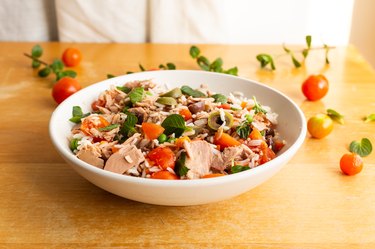
Occasionally, a child's immune system may overreact and release more chemicals than the body needs to fight off a certain bacteria or allergen. This overreaction is called a hypersensitive response and can lead to an allergic reaction, such as wheezing or a rash. Omega-3 fatty acids protect the body against damage caused by a hypersensitive response. In addition, these fatty acids also increase the activity of white blood cells that destroy bacteria. Omega-3 fatty acids can be found in flax oil and fatty fish, such as salmon, tuna and mackerel. If your child doesn't like fish, AskDrSears.com suggest adding one to three teaspoons of flax oil to a fruit and yogurt smoothie.


