































































Serotonin is a neurotransmitter that regulates mood. Located primarily within the central nervous system, serotonin is responsible for feelings of contentment and happiness. It is also found within the cells of the intestine; therefore, serotonin regulates the function of the digestive tract. Learning and memory depends on serotonin as well and regulates blood pressure, body temperature and appetite. To increase levels of serotonin consume foods and supplements containing vitamins B3, B6 and B9, according to the Franklin Institute.
Vitamin B3
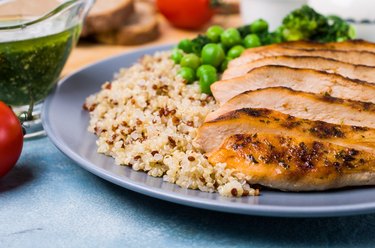
Vitamin B3, also called niacin, aids in energy production. It also helps tryptophan, an amino acid, to produce serotonin. A vitamin B3 deficiency is called Pellagra. A poor diet causes Pellagra, which affects the skin, nervous system and digestive system. Symptoms include a thick, dark, scaly skin rash; diarrhea, vomiting, a bright red tongue, fatigue, headache, memory loss, confusion, depression and death, if left untreated. The best sources of vitamin B3 include yeast, chicken, meat, fish, legumes, seeds and fortified cereals, according to the Linus Pauling Institute.
Vitamin B6
Vitamin B6, also called pyridoxine helps to convert food into energy and it helps to make serotonin, melatonin and norepinephrine, neurotransmitters important for the regulation of mood and the sleep wake cycle. Vitamin B6 helps to prevent the adverse effects of homocysteine, a protein that causes heart disease; it promotes the absorption of vitamin B12, helps to maintain the immune system and assists in the production of red blood cells. A vitamin B6 deficiency causes muscle weakness, anxiety, brain fog, short-term memory problems and depression. To increase levels of B6, to boost serotonin levels, eat foods like chicken, salmon, turkey, red meat, spinach, brown rice, carrots, whole grains, lentils, cheese and shrimp, according to the University of Maryland Medical Center.
Vitamin B9
Vitamin B9, also called folic acid, helps to maintain emotional and mental health. It is used to lessen the likelihood of birth defects and breaks down food into sugars, which produce energy. It helps to make DNA, the genetic material within the cells that is responsible for cellular replication and protein production. Folic acid helps iron to function properly and aids in red blood cell formation. A vitamin B9 deficiency causes breathlessness, diarrhea, memory loss, decrease in appetite, gingivitis, brain fog and depression. It works alongside tryptophan to produce serotonin. The University of Maryland Medical Center reports that people with depression typically have a folic acid deficiency. Folic acid supplementation is not recommended to replace antidepressant use, but folic acid can help to enhance the effects of medications used to treat depression. To increase levels of vitamin B9 and promote the production of serotonin, eat foods such as dark leafy greens, root vegetables, beans, salmon, avocados, oranges and milk products.


