






























































Tyrosine Benefits and Side Effects

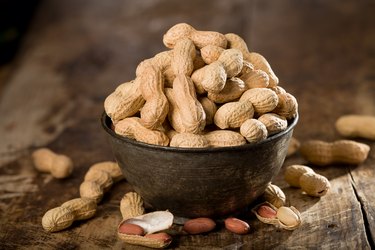
Tyrosine is a nonessential amino acid or protein building block derived from the amino acid phenylalanine. It is also found in a variety of dietary sources such as poultry, fish, nuts, seeds and dairy products. It functions as a precursor to a variety of neurotransmitters and molecules in your body, and it is also available as a dietary supplement if you have a phenylalanine metabolism disorder. Tyrosine also may be useful in treating depression and attention deficit disorders, among other conditions. Consult a physician before taking tyrosine supplements to avoid complications.

Neurotransmitter Development

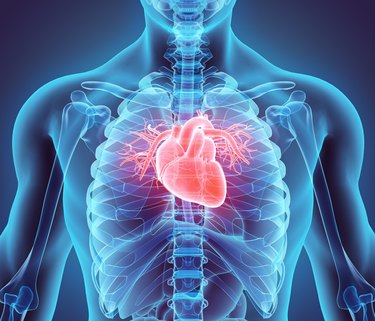
Tyrosine is an important building block for several neurotransmitters, including epinephrine, norepinephrine and dopamine. Sufficient production of these neurotransmitters depends on adequate tyrosine levels in your body. Dopamine serves many functions in your cardiovascular, endocrine and central nervous systems, and it may be converted into norepinephrine or epinephrine. These two neurotransmitters play a large role in your body's fight or flight response, such as increased heart rate and blood flow to your muscles, according to Dr. Richard Klabunde of the website Cardiovascular Physiology Concepts.

Biosynthesis

Tyrosine is involved in the production of melanin, thyroid hormones and enkephalins in your body. Melanin is a pigment that provides color to skin and hair that helps in protecting the body from harmful ultraviolet rays. Tyrosine acts as a precursor to several thyroid hormones that regulate metabolism, growth and development. Tyrosine also helps produce pain-relieving substances in your body called enkephalins, according to CareGroup Healthcare System.

Side Effects

Dietary tyrosine supplements may pose unwanted side effects. Speak with a physician before starting dietary supplements to avoid complications. Side effects may include nausea, heartburn, joint pain, headache and fatigue, according to the website RxList.

Drug Interactions

According to the University of Maryland Medical Center, tyrosine may cause an unwanted and dangerous rise in blood pressure that could lead to a heart attack or stroke if you are taking antidepressants known as MAOIs, or monoamine oxidase inhibitors. Tyrosine may also decrease the absorption and thus the effectiveness of levodopa, a medication for Parkinson's disease. Thyroid hormone levels may also rise to unhealthy levels if you take thyroid hormone medications and tyrosine supplements together.

References

Article reviewed by Leah Ann Crussell Last updated on: Oct 26, 2010

Must see: Photo Galleries

Member Comments