




























































Nearly 20 percent of American children are obese, according to statistics published by Centers For Disease Control And Prevention. Even more are overweight, with a Body Mass Index higher than normal but not high enough to be considered obese. The best way to help your child lose weight is to teach them to eat a variety of nutritious, low-fat foods and to get enough exercise.
The Paleo Diet
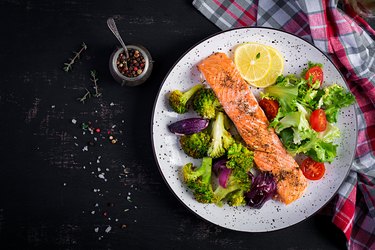
The concept behind the Paleo Diet is that you should eat the foods that your ancestors consumed. In prehistoric times, humans were hunter-gatherers. They may have eaten a variety of vegetables, nuts, seeds, fruits, lean meats and seafood. Cereal grains and dairy products did not enter the human diet in large quantities until humans developed agriculture. The Paleo Diet is a modern attempt to mimic what we researchers have surmised about the hunter-gatherer diet.
Eliminating Dairy, Grains And Legumes
The Paleo Diet demands the elimination of two food groups: dairy and grains. This could lead to serious nutritional deficiencies, and places the Paleo Diet squarely within the realm of the fad diet. One sign of a fad diet is that it requires the total elimination of fat, sugar or carbohydrates such as dairy and grains, according to KidsHealth.org.
Calcium
According to a study published in the "European Journal of Clinical Nutrition," 50 percent of the individuals studies could not complete three weeks on the Paleo Diet. Those who did stick to it lost 50 percent of their blood calcium levels.
Your child's calcium requirements change as he grows. Children between the ages of four and eight need 800mg of calcium per day. Children between nine and 18 years old need 1300mg of calcium per day, according to the American Academy of Pediatrics. While it is not advisable for you to put your child on the Paleo Diet, if you do, be sure that your child gets enough calcium from other foods besides dairy products or from supplements.
Before You Begin
Always discuss any significant change in diet with your child's pediatrician. He is your best source for up to date information and guidance on your child's specific nutritional needs. He will help you design a specific program that meets your child's nutritional needs while helping her achieve a healthier weight. He may recommend supplements to ensure that your child gets enough calcium and other nutrients that may be missing due to the elimination of dairy and grains on the Paleo Diet.
Transitioning To The Paleo Diet
Depending on your child's age and temperament, he may resist making significant changes to his diet. If your child is in school and responsible for making his own food choices, you will have to make sure he understands and accepts the Paleo Diet. Encourage him to become involved in meal planning and preparation, and offer plenty of information on the benefits of healthy foods. Go slowly, and give your child's tastes a chance to change. In time he will begin to appreciate the flavor of simple foods.


Member Comments