










































Food for Low Sodium Levels

Food for Low Sodium Levels
Photo Credit Jupiterimages/Comstock/Getty Images

Maintaining healthy sodium levels is critical in preventing high blood pressure, which causes nearly 400,000 deaths each year in the United States, according to the Centers for Disease Control and Prevention, or CDC. High-sodium foods dominate most aisle of grocery stores and restaurant menus. If your diet is like most Americans', eating for low sodium levels will require an overhaul in your choice of foods.

Identification

Sodium is an essential mineral that helps your nerves and muscles function and your body maintain its fluid balance, according to the Mayo Clinic. Unfortunately, the CDC reports that most people consume far more sodium than the body needs, about 50 percent more on average. You might identify sodium mostly with salt, but for most Americans, the glut of sodium in their diet comes from prepared and processed foods, which use sodium-based additives such as sodium nitrate, monosodium glutamate and disodium phosphate. In fact, in the average U.S. diet, added salt while cooking and eating and sodium that occurs naturally in food accounts for less than a quarter of the total sodium consumed. The rest comes from processed foods.

Size

The National High Blood Pressure Education Program recommends that you limit your sodium intake to a maximum of 2,300 mg per day. If you are trying to lower your sodium levels, or trying to lower your blood pressure, however, you should limit your daily sodium consumption to 1,500 mg. Some processed foods -- a can of soup, a frozen entree or roasted ham -- puts your intake near or above that level with a single serving, according to the Cleveland Clinic.

Types

The U.S. National Heart, Lung and Blood Institute recommends the Dietary Approaches to Stop Hypertension plan to control sodium levels. This includes six to eight servings of grains -- whole wheat breads, pasta or oatmeal, for example -- per day, four to five servings each of fresh vegetables and fruits, two to three servings of low-fat milk products and no more than six servings of lean meats, chicken or fish. The plan also suggests four to five servings of unsalted nuts or legumes per week and limiting sweets to no more than five servings per week.

Considerations

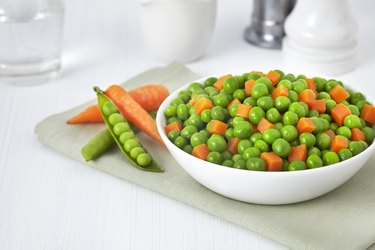
If you stick with fresh vegetables, fruits, meats and whole grains, following the DASH guidelines will keep your sodium intake in the acceptable levels. When using canned vegetables, the Cleveland Clinic recommends looking for no-salt-added varieties, and rinsing them before eating can further reduce their sodium content. When cooking, you can skip the salt in recipes and use fruit juices for marinades to add flavor to meat without sodium. When you must buy prepared foods, the label "low sodium" indicates a serving contains no more than 140 mg of sodium, and the label "very low sodium" means no more than 35 mg of sodium per serving, according to the Mayo Clinic. Be wary of labels marked "reduced sodium" or "light in sodium," however. This means it's a lower sodium version than the standard product but still might be relatively high in sodium.

Example

As a sample day on the DASH diet, the NHLBI suggests a breakfast of shredded wheat with banana and low-fat milk, a slice of whole wheat bread with unsalted margarine and a glass of orange juice. For lunch, it suggests a chicken salad sandwich on whole wheat bread with mustard, a salad of fresh cucumbers and tomatoes in a light dressing and juice. A sample dinner includes a 3 oz. beef cut in fat-free gravy, an apple, a whole wheat roll, green beans sauteed in canola oil and a small baked potato seasoned with fat-free sour cream, low-sodium cheese and scallions. The plan also calls for occasional daily snacks of unsalted almonds, raisins and yogurt. All these foods together total about 1,500 mg in sodium.

References

Article reviewed by JPC Last updated on: Jun 14, 2011

Must see: Photo Galleries

Member Comments