
























































Zinc was discovered to be essential to human health in the early 1960s. It is second only to iron among the trace elements in the human body. It is distributed throughout the body with highest concentrations in the liver, pancreas, kidney, bone, muscles, eye, prostate, spermatozoa, skin, hair and nails.
Zinc participates in metabolic reactions to synthesize or degrade carbohydrates, proteins, fats and nucleic acids. Zinc supports proteins functioning in many metabolic processes including stabilizing cell membranes and supporting immune function, growth and development, according to Mary Mitchell in "Nutrition Across the Life Span."
Identification
You need the mineral zinc to stay healthy. Zinc helps the immune system and helps the body to grow and develop properly and to heal wounds. It is required for the senses of taste and smell. Zinc helps make proteins and DNA, the genetic material in all cells of the body. As a cofactor required by more than 100 enzymes, zinc helps make DNA and hemoglobin, metabolize fatty acid, release vitamin A from storage, metabolize carbohydrates and synthesize proteins. It also helps dispose of damaging free radicals.
Fertility
Sperm production is sensitive to a male's exposure to nutritional and other environmental and lifestyle factors, according to Judith Brown in "Nutrition Through the Life Cycle." Zinc is critical to male reproduction potential. The concentration of zinc in semen is high. Zinc in seminal fluid appears to protect sperm from bacteria and chromosomal damage.
Zinc intake of less than 5 milligrams per day has shown to correlate with decreased semen volume and testosterone levels. Zinc deficiency produces sexual symptoms such as infertility, impotency or poor reproductive system development, and supplementation of zinc may have great benefit, according to Healthy.net. Supplementing with 10 mg of zinc per day may reverse zinc-related infertility in males over time, according to "Nutrition Through the Life Cycle."
Food Sources
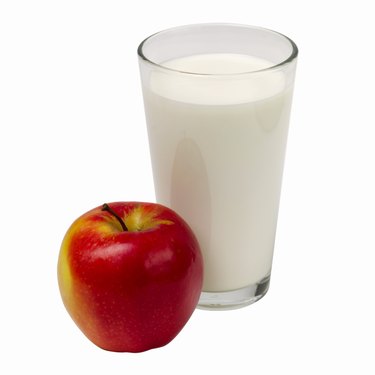
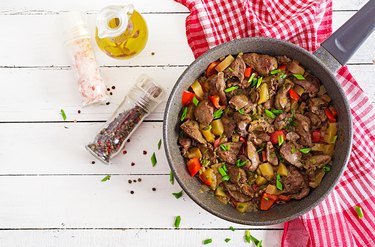
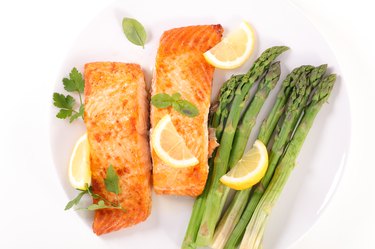
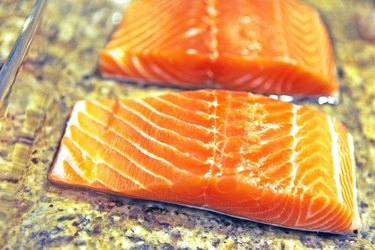
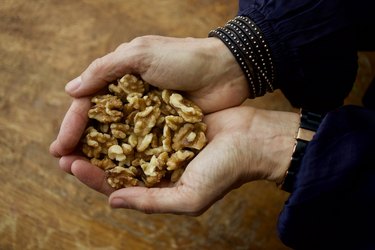
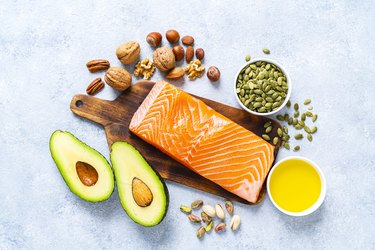
Eat zinc-rich foods frequently. You can get recommended amounts of zinc in a variety of foods. Meat, fish, poultry, milk and milk products provide 80 percent of dietary zinc. Oysters are the best source of zinc, according to the Office of Dietary Supplements. Also choose other shellfish, liver, cheese, whole grains, fortified breakfast cereals, dry beans, soy products and nuts as fairly good sources of zinc, according to Kathleen Mahan and Sylvia Escott-Stump in "Krause's Food, Nutrition, & Diet Therapy." Generally, zinc intake correlates with protein intake.
Deficiency
Zinc deficiency is rare in the U.S. In infants and children, a deficiency of zinc causes slowed growth. In adolescents, zinc deficiency causes delayed sexual development. In men, zinc deficiency causes impotence, according to the Office of Dietary Supplements.
Zinc deficiency also causes hair loss, diarrhea, loss of appetite and skin sores. Zinc deficiency causes decreased wound healing and loss of appetite due to decreased sense of taste. Phytate, copper and cadmium decrease zinc absorption. High intakes of iron and calcium may also reduce zinc absorption.
Toxicity
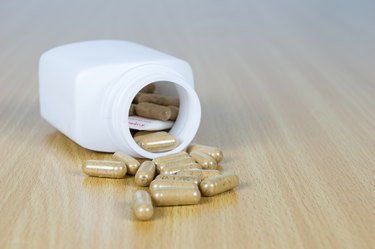
You can get too much zinc. Toxicity symptoms may include nausea, vomiting, loss of appetite, stomach cramps, diarrhea and headaches. Taking too much zinc over time can create problems such as low levels of copper, lower immunity and low levels of high-density lipoprotein, or HDL, the healthy cholesterol, according to the Office of Dietary Supplements.
References
- "Nutrition Across the Life Span"; Mary Kay Mitchell; (2003)
- Healthy.net: Healthy People, Healthy Planet: Zinc
- "Nutrition Through the Life Cycle, Third Edition"; Judith E. Brown; (2008)
- Office of Dietary Supplements: Dietary Supplement Fact Sheet: Zinc
- "Understanding Nutrition, Ninth Edition"; Eleanor Noss Whitney and Sharon Rady Rolfes; (2002)
- "Krause's Food, Nutrition, & Diet Therapy, 10th Edition"; Mahan and Escott-Stump; (2000)


